
Basal Ovulation Thermometer and 6 x Fertility Charts
Original price was: £9.99.£7.99Current price is: £7.99.
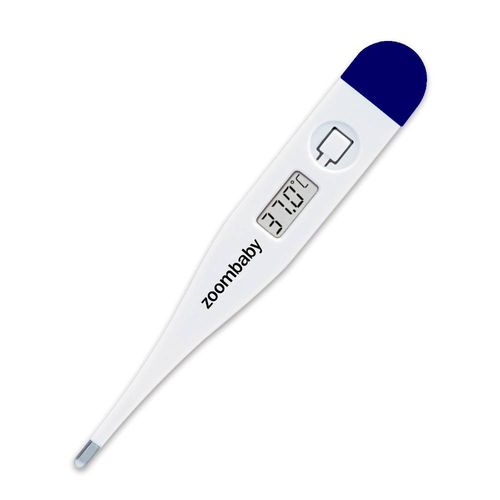
– °C (Centigrade) BBT Thermometer
– Certified accuracy to to 2 decimal places
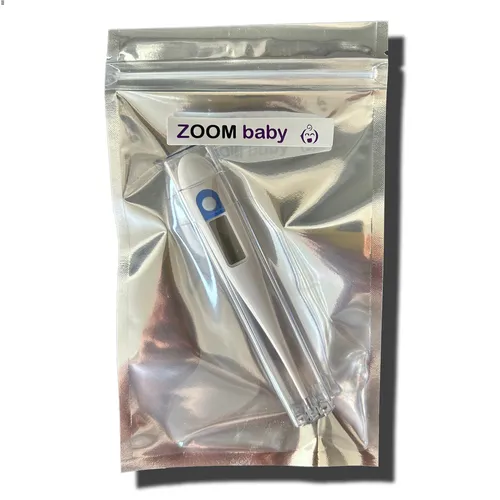
– complete with storage case
– with 12 Months supply of Fertility charts
Want to Get Pregnant? Track Your Temperature!
If you’re trying to have a baby, knowing when you ovulate can help you get pregnant faster. One of the best ways to track ovulation is by taking your temperature each morning with a special thermometer called a basal thermometer.
What’s a Basal Thermometer?
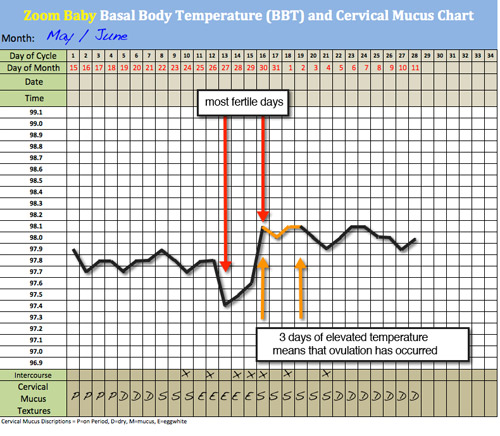
A basal thermometer measures tiny changes in your body temperature when you’re completely at rest. Your temperature changes slightly throughout your monthly cycle, and these changes can tell you when you’re about to ovulate. Just before you ovulate, your temperature drops a tiny bit. Then after ovulation, it rises by about 0.2 to 0.5 degrees Celsius. By tracking these changes, you can work out when you ovulate each month.
How to Use Your Basal Thermometer
Here are the key steps:
- Take your temperature at the same time every morning
- Do it before you get out of bed or even move around much
- Place the thermometer under your tongue
- Wait for the beep (usually 1-2 minutes)
- Write down your temperature on your chart
What’s in the Pack?
When you buy a basal thermometer kit, you’ll get:
- A digital thermometer that measures to two decimal places
- Six double-sided fertility charts (enough for 12 months of tracking)
- Clear instructions
The thermometer is easy to use and has a flexible, waterproof tip. It shows your temperature in Celsius.
Why Track Your Temperature?
Taking your temperature helps you understand your body better. When you track it over time, you can:
- See when you ovulate each month
- Plan when to have sex to get pregnant
- Spot any problems with your cycle
- Learn more about your body’s patterns
Other Signs of Ovulation
While tracking your temperature, also watch for changes in your cervical mucus (vaginal discharge):
- After your period, you’ll have 3-4 dry days
- Then you’ll notice more wetness for about 9 days
- Just before ovulation, the mucus becomes clear and stretchy, like egg whites
- After ovulation, it becomes sticky again and then dries up
Tips for Success
To get the most accurate readings:
- Keep your thermometer by your bed
- Take your temperature before doing anything else
- Don’t eat, drink, smoke or even talk before taking your temperature
- Try to measure while you’re still sleepy
- Remember that being ill can affect your temperature
Important Things to Know
Your basal temperature is your resting temperature – that’s why you need to take it first thing in the morning. Even sitting up in bed can make your temperature rise slightly.
If you’re ill with a fever, your temperature readings won’t be reliable. Just make a note on your chart and keep tracking when you’re better.
Understanding Your Cycle
By tracking your temperature each day, you’ll start to see a pattern. This pattern can help you work out when you’re most likely to get pregnant. You can only get pregnant around the time you ovulate, so knowing when this happens is really helpful.
Remember, it might take a few months to spot your pattern clearly. Keep tracking your temperature every day, and soon you’ll understand your cycle much better.
This method is simple, cheap and gives you useful information about your body. While it takes some dedication to take your temperature every morning, many women find it helps them feel more in control of their fertility journey.
Related Products







12 reviews for Basal Ovulation Thermometer and 6 x Fertility Charts

| 5 star | 75% | |
| 4 star | 16% | |
| 3 star | 8% | |
| 2 star | 0% | |
| 1 star | 0% |
Barbara (verified owner) –
Works great. I just wish I have read earlier it reads only in Fahrenheit:(:(:( Nothing for me:(:(:(
Zoom Baby –
Hi Barbara
Thanks for taking the time to post a review of our BBT thermometer. We have always offered a Fahrenheit thermometer as standard as we think that charting is easier in Fahrenheit than in Celsius. However both methods are valid. We would be interested in hearing other views on this subject of course. 🙂
Kind Regards
Helen
Zoom Baby