

About This Article: Zoom Baby has supplied pregnancy, ovulation and fertility tests to UK customers for nearly 20 years. This guide draws on our experience helping thousands of people understand fertility testing, conception planning, and early pregnancy detection. Always consult healthcare professionals for medical advice regarding conception and pregnancy.
Published: September 15, 2023 | Last Updated: November 14, 2025 | By Anthony Cunningham
Contents
After trying for months to conceive, waiting for the early pregnancy test results is nerve-wracking. The question of “am I pregnant this time?” is about to be answered and there are many emotions happening at the same time.
The problem is that taking tests time and time again and finding they are negative is not just disappointing; it’s expensive!
Often you will choose an Early Pregnancy Test in order to know sooner rather than later. But how do early pregnancy tests work? To avoid disappointment and the added costs, it is essential to determine the best time to take early pregnancy tests.
To do that you need to know more about the changes in your body during the early days and how the tests work.
How Early Pregnancy Tests Work
A home pregnancy test works by detecting if there is the hCG (Beta Human Chorionic Gonadotropin), the pregnancy hormone, in the urine.
This hormone is produced as soon as the egg has been fertilised and implanted in the wall of the uterus. The cells that create the placenta secrete the hCG and it is usually detected by 14 days after the fertilisation.
It is best to wait until after the missed period and experience some of the early pregnancy symptoms. This helps to confirm something that you already think is happening.
But if you’ve been trying for some time, it’s unlikely that you can wait. This means finding a reliable early pregnancy test that you can use as soon as possible.
How Long to Wait Before Testing
Extremely early tests are not as accurate as others. It can take around five days for the sperm to reach and fertilise the egg, assuming that intercourse happened just at the perfect time.
After ovulation, an unfertilised egg has just 24 hours to live before it starts disintegrating; meaning the perfect timing is essential.
After fertilisation, the egg then needs to travel down the rest of the fallopian tube so that it reaches the uterus to implant. This takes up to seven days from the start of the ovulation process.
Then it is the waiting game for the levels of the hCG to rise enough for an early pregnancy test to detect it. When taking an early test, avoid drinking too much as this can dilute the hormone levels in the urine.
Taking a test every other day when unsure is the best idea since the hormone doubles each 48-72 hour period.
There is no point taking a test any earlier than seven days after ovulation. The embryo wouldn’t have implanted and there will be no pregnancy hormones in the body. Very few will find their test is positive during the first couple of days and you need to assume that you have calculated your ovulation day perfectly.
Many early pregnancy tests claim that it is possible to get a positive pregnancy test five days before your period is due. This is between nine and 11 days after ovulation. But there is no guarantee that this will work.
The best time to take a test is a day or two before your period is due; about 12 to 14 days after ovulation. The egg will have had time to implant and the hormones will be produced by the body. Those who suffer from ectopic pregnancies, where the egg implants outside of the uterus, the hormones may not be at the right level and you may get a negative reading.
Some women will still not get a positive reading until up to 18 days after ovulation, even if their period was due a couple of days before. A small number of women find that it takes around two extra weeks to get the positive test.
Every Test Is the Same, Right?
Early pregnancy tests have different sensitivity levels. Some have a 20 mIU/ml sensitivity rating, while the rating on another will be 50 mIU/ml. In tests we have found that the most reliable early pregnancy tests are those manufactured by First Response and Clearblue.
The Accuracy of Home Pregnancy Tests
When you know how early pregnancy tests work, they are easy to use. As long as you read and follow the instructions, the tests are accurate.
However, it depends on the timing. A false negative is common, especially in those who test too early. You need to wait for the hormone to build up and it is best to wait about four days before a retest.
It is rare to have a false positive but they can happen. Fertility drugs and other medications contain levels of hCG, which can give a false reading. For clinical guidance on pregnancy testing accuracy, consult NICE guidance and peer-reviewed research on pregnancy test accuracy.
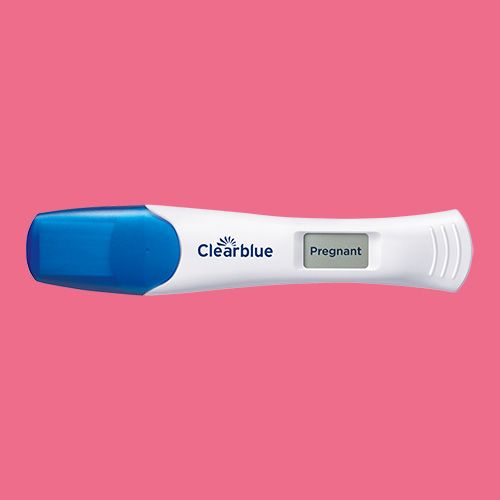
Tips for Taking an Early Pregnancy Test
- Use first morning urine as it is more concentrated and likely to contain higher levels of hCG if you are pregnant.
- Follow the test instructions exactly. This includes not looking at the result after the specified time as it may give an inaccurate reading.
- Don’t drink too much liquid before taking the test as this can dilute the hCG.
- Try not to take the test when you’re stressed or upset as this can affect the accuracy. Relax and do something calming beforehand.
- Check the expiry date on the test kit. An expired test is unlikely to give an accurate result.
- Don’t take a test too early. Wait at least a week after ovulation before testing for the first time.
- Use a reputable brand of test such as First Response or Clearblue for greater accuracy.
- Take the test mid-stream rather than at the beginning or end of urination.
- If you get a negative but think you might be pregnant, wait a few days and test again as hCG levels rise rapidly in early pregnancy.
- Read through the instructions properly before taking the test so you know what the results mean.
- Try not to get urine on the result window as this can give an incorrect reading.
- Don’t take early results as definitive. If it’s negative but your period is late, test again in a few days.
- Use pink line tests rather than blue dye ones as the latter are more likely to give faint lines that are unclear.
Getting Support
Finding out if you are pregnant or not can be an emotional time, especially if you have been trying to conceive for some time. Having the support of your partner, friend or family member can really help at this time. Talk it through with someone close before taking the test so you have someone there whatever the outcome.
Try not to let taking multiple early tests take over your life. Setting a testing schedule can help to avoid constant disappointment. Remember to take care of your emotional and physical health during this time. Combining the test with tracking methods such as ovulation prediction kits or basal body temperature charts may also help pinpoint the best time to test without having to take test after test.
If you get a positive result, be sure to schedule an appointment with your doctor to confirm the pregnancy and start prenatal care. If the test is negative and your period is late, seeing your doctor can also help determine if there are any issues affecting your menstrual cycle. Having professional support can make all the difference on this emotional journey.
What Customers Say
Real customers have found our early pregnancy tests reliable, affordable, and easy to use:
⭐⭐⭐⭐⭐ Laura R
“I couldn’t believe the pregnancy test could be accurate as they look so flimsy compared to the expensive ones you buy in the shop – so I bought a ‘proper’ one which only confirmed what the free test had told me. We would like to try for another baby so have ordered the same tests again from Zoom. They are reasonably priced and arrived on Monday having been ordered on Friday night. My one tip is to ensure you follow the instructions carefully and accurately for best results.”
⭐⭐⭐⭐⭐ Jacqui L
“Very pleased with these pregnancy tests. They look to be good quality and you cannot argue with the price or quick delivery. I bought some cheap pregnancy test on eBay last time but these certainly seem to be better quality. Recommend.”
⭐⭐⭐⭐⭐ Debbie
“Excellent midstream pregnancy tests at a great price. Results were simple to read with the instructions that came with it. Will be buying again. Discreet packaging and quick delivery also really appreciated.”
Ready to find out? Browse our full range of pregnancy tests with free delivery.
About the Author
Anthony Cunningham – Fertility Testing Expert & Editor
Anthony Cunningham, BA (Hons), MA, is a UK-based fertility testing expert and editor with over 20 years’ experience running Zoom Baby, a trusted source for accurate pregnancy, ovulation and fertility tests and testing guidance. He creates clear, evidence-based articles using NHS guidance, professional fertility resources, and conception planning best practices. Where possible, content is reviewed by fertility specialists and healthcare professionals to enhance accuracy and reliability, helping readers make informed testing decisions.
You May Also Like



Zoom Baby is a leading supplier of Pregnancy Tests and Ovulation Test Kits.