About This Article
Zoom Baby has over 20 years’ experience providing fertility and pregnancy testing products and guidance. This article examines the popular claim that eating yams can increase the likelihood of conceiving twins and looks at what the available evidence actually tells us.
Published: 3 May 2024 | Last Updated: 13 August 2026 | By: Anthony Cunningham
Can eating yams really increase your chances of having twins? It’s a fascinating theory linked particularly with the unusually high rate of twin births in parts of Nigeria, but the scientific evidence tells a more cautious story.
Igbo-Ora in Oyo State, Nigeria, is well known for an unusually high rate of twin births. Researchers have investigated a number of possible explanations, including genetics, maternal factors and diet, but no single cause has been established.
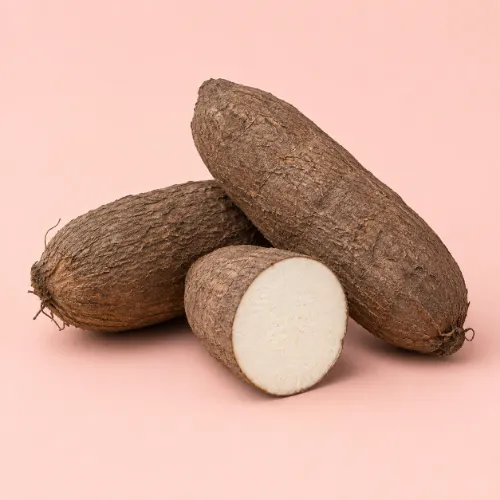
Yam consumption has sometimes been suggested as one possible explanation. Yams contain naturally occurring plant compounds, but there is no good evidence that eating yams increases FSH levels, causes hyperovulation or makes a twin pregnancy more likely.
The yam theory remains an interesting local explanation rather than an established cause of twinning. Current evidence points instead to a combination of genetic, demographic and reproductive factors influencing the likelihood of non-identical twins.
So, could yam consumption help explain the unusually high rate of twin births in Igbo-Ora? It has been suggested as one possible explanation, but the theory remains unproven.
Contents
- Twins: Identical and Fraternal
- What Does This Have to Do With Yam?
- Why Have Yams Been Linked to Twins?
- A Word of Caution
- What Other Foods Are Linked to Twins?
- Can Diet Really Influence Twinning?
- Are Yams Safe When Trying to Conceive?
Twins: Identical and Fraternal
Twins can develop in two main ways. Identical, or monozygotic, twins develop when one fertilised egg divides into two embryos. Non-identical, or dizygotic, twins develop when two separate eggs are fertilised. Non-identical twins are genetically no more alike than other siblings.
What Does This Have to Do With Yam?
It is still not known what causes a fertilised egg to split and form identical twins. Non-identical twins occur when more than one egg is released and fertilised during the same cycle. Factors associated with a higher chance of non-identical twins include maternal age, family history on the mother’s side, some ethnic backgrounds and fertility treatment.
The unusually high rate of twinning reported in parts of West Africa has prompted researchers to consider genetic, demographic and environmental explanations. Yam-rich diets have attracted attention because yams are widely eaten in some of these communities, but an association between a food and a local twinning rate does not demonstrate that the food causes twins.
Why Have Yams Been Linked to Twins?
Yams contain naturally occurring plant compounds, and this has led to theories that they might influence reproductive hormones or ovulation. However, this has not been demonstrated as a cause of twin pregnancy in humans, and research has not established that eating yams increases FSH or causes hyperovulation.
For now, the connection between yams and the high twinning rate seen in parts of Nigeria should be regarded as an interesting theory rather than a proven biological effect.
A Word of Caution
There is no scientific evidence showing that eating yams causes twin pregnancies. Anyone trying to conceive should be cautious about claims that a particular food can reliably increase the chance of twins.
What Other Foods Are Linked to Twins?
Yams are not the only food to have become associated with twins. Various foods and drinks have featured in cultural traditions or observational theories about twinning, but these should not be confused with proven methods of increasing the chance of a twin pregnancy.
Dairy Products
Some observational research has explored a possible association between dairy consumption and twinning, but this does not show that dairy products cause twins. Milk, cheese and yoghurt can form part of a balanced diet, but they should not be regarded as a method of influencing whether a pregnancy is a twin pregnancy.
Anise Tea
Anise tea has appeared in traditional fertility beliefs in some cultures. There is no good clinical evidence that drinking anise tea causes hyperovulation or increases the chance of conceiving twins.
Okra (Lady’s Fingers)
Okra has also been linked with fertility and twins in folklore. There is no good evidence that eating okra increases the chance of a twin pregnancy.
Cassava
Cassava, another starchy root widely eaten in parts of West Africa, has also been suggested as a possible dietary explanation for high local twinning rates. As with yams, this theory remains unproven.
Can Diet Really Influence Twinning?
There is little scientific evidence that eating a particular food directly causes twins. The NHS identifies factors associated with non-identical twins including maternal age, family history on the mother’s side, some ethnic backgrounds and fertility treatment. You can read more in the NHS guidance on twin pregnancy.
A varied, balanced diet remains important when trying to conceive, but it should be followed for general health rather than as a way of trying to cause a twin pregnancy.
Are Yams Safe When Trying to Conceive?
Yes. If you enjoy yams, they can form part of a varied, balanced diet when you are trying to conceive. There is no good evidence that eating yams at a particular stage of the menstrual cycle increases your chance of conceiving twins.
About the Author
Anthony Cunningham, BA (Hons), MA, is a UK-based fertility testing expert and editor with over 20 years’ experience running Zoom Baby, a trusted source for accurate pregnancy, ovulation and fertility tests and testing guidance. He creates clear, evidence-based articles using NHS guidance, professional fertility resources, and conception planning best practices. Where possible, content is reviewed by fertility specialists and healthcare professionals to enhance accuracy and reliability, helping readers make informed testing decisions.