
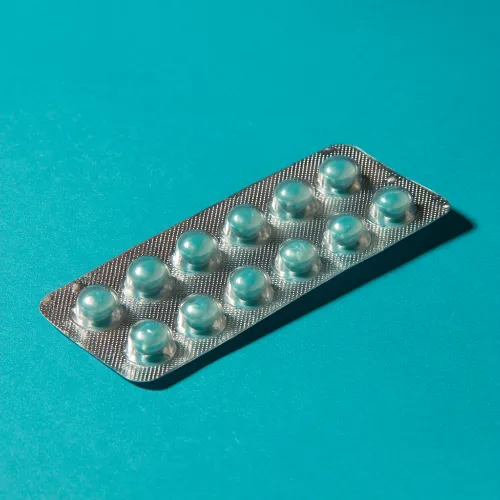
About This Article
Zoom Baby has supplied pregnancy, ovulation and fertility tests to UK customers for nearly 20 years. This guide draws on our experience helping thousands of people understand fertility testing, conception planning, and how birth control affects pregnancy risk. Always consult healthcare professionals for medical advice regarding conception and pregnancy.
Published: December 4, 2022 | Last Updated: November 15, 2025 | By Anthony Cunningham
Can You Get Pregnant on the Pill?
The short answer is yes—there is always a small chance of pregnancy when using any birth control method. However, if taken correctly, the pill is one of the most reliable and effective ways to prevent pregnancy, with a success rate of over 99% when used perfectly.
Contents
How Does the Birth Control Pill Work?
The birth control pill works by using hormones to stop your body from releasing an egg each month. Most pills contain two hormones: oestrogen and progestin. These work together to thicken the mucus in your cervix, making it harder for sperm to reach an egg. The hormones also thin the lining of your womb, so even if an egg is released and fertilised, it cannot attach and grow.
For the pill to work properly, you need to take it at the same time every day. This keeps hormone levels consistent in your body. Some pills come in packs of 21 or 28 tablets—the 28-tablet packs usually contain 7 placebo (inactive) pills that let you have a withdrawal bleed, similar to a period.
There are also progestin-only pills (sometimes called the “mini-pill”), which work slightly differently. Understanding when you can get pregnant becomes important whether you’re using combined pills or progestin-only options.
How Effective Is the Pill at Preventing Pregnancy?
According to NHS guidance on combined hormonal contraception, when used perfectly, the pill is over 99% effective at preventing pregnancy. However, in real life, the typical effectiveness is around 91% because people sometimes forget to take it, miss pills, or take it at inconsistent times.
This means that out of 100 people using the pill for a year, about 9 will become pregnant if it’s not taken correctly. The difference between “perfect use” and “typical use” is why consistency matters so much. Missing just one pill can reduce effectiveness, and the longer the gap, the higher your pregnancy risk.
The Royal College of Obstetricians and Gynaecologists (RCOG) emphasises that understanding your specific pill type and taking it correctly are essential for maximum protection.
When Can You Get Pregnant on the Pill?
You can get pregnant on the pill if:
- You miss one or more pills. Even missing a single pill can create a window where your body might release an egg. If you miss a pill, take it as soon as you remember, even if that means taking two pills on the same day.
- You take your pill at different times each day. The pill needs consistent hormone levels. A large gap between doses can reduce effectiveness, particularly with progestin-only pills.
- You have vomiting or diarrhoea. If you vomit within 3 hours of taking the pill, or have diarrhoea, your body may not absorb the hormones properly. Use backup contraception during this time.
- Certain medications interfere with the pill. Some antibiotics, antifungals, and other drugs can reduce its effectiveness.
- You take herbal supplements, particularly St. John’s Wort. This supplement can lower hormone levels and reduce contraceptive protection.
If any of these things happen, it’s a good idea to use additional contraception (like condoms) and consider taking a pregnancy test if your period is late.
What Medications Interfere with Birth Control?
Several medications can reduce the pill’s effectiveness by interfering with how your body absorbs or processes the hormones. Common culprits include:
- Antibiotics (particularly rifampicin and rifabutin, though most common antibiotics are safe)
- Antifungal medications (such as griseofulvin)
- Anticonvulsants (used for epilepsy, like phenytoin and carbamazepine)
- HIV medications and other antiretroviral drugs
- St. John’s Wort (herbal supplement for mood support)
Always tell your doctor or pharmacist that you’re taking the pill when they prescribe new medications. They can advise whether you need backup contraception or an alternative birth control method. The NICE guidance on contraception and drug interactions provides detailed information for healthcare professionals.
What Should You Do If You Get Pregnant on the Pill?
If you discover you’re pregnant while taking the pill, stop taking it immediately and contact your GP or midwife. There is no evidence that continuing the pill harms a pregnancy, but your healthcare provider needs to know so they can provide appropriate prenatal care.
Your doctor will want to:
- Confirm your pregnancy with a blood test or ultrasound
- Check how far along you are
- Discuss any medications you’ve been taking
- Arrange proper prenatal support and screening
Getting pregnant on the pill is rare, but when it does happen, early medical support is important. Tommy’s, the miscarriage and pregnancy support charity, offers free guidance on pregnancy health and what to expect.
Can You Take a Pregnancy Test While on the Pill?
Yes, you can take a pregnancy test while on the pill. The hormones in the pill do not interfere with how pregnancy tests work. Pregnancy tests detect human chorionic gonadotropin (hCG), a hormone your body produces only when pregnant. Birth control hormones are different and won’t give you a false positive.
However, if you’re taking the pill and your period hasn’t arrived, it can be harder to know when to test. Some people using the pill don’t get regular periods, especially with progestin-only methods. If you’re concerned about pregnancy, test as soon as you have symptoms like breast tenderness, nausea, or unusual fatigue—or if your typical patterns change.
For the most reliable result, test with your first morning urine, when hCG levels are highest. If you get a negative result but still suspect pregnancy, retest after a few days.
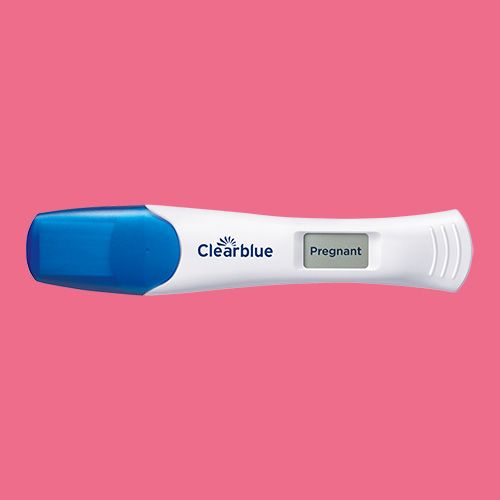
Ready to Test? Our pregnancy tests are accurate, discreet, and delivered free to your door. Whether you’re concerned about breakthrough pregnancy or simply want to be sure, we’ve supplied trusted tests to UK customers for nearly 20 years.
What Customers Say
“I used these ovulation tests in 2009 and conceived the first month of trying, confirmed by the free pregnancy test that came with it. I couldn’t believe the pregnancy test could be accurate as they look so flimsy compared to the expensive ones you buy in the shop—so I bought a ‘proper’ one which only confirmed what the free test had told me. We would like to try for another baby so have ordered the same tests again from Zoom.”
Laura R – Verified Customer
“After 2 months of using the ovulation kits I got the chance to use one of the pregnancy testing strips and I’m pleased to say it was positive! I’m now 16 weeks pregnant and am sure we would still be trying to conceive had I not used your products. Thank you Zoom Baby.”
Tina W – Verified Customer
“Who would have thought that such a simple test could be so effective? I bought my first, and only pack of tests from Zoom Baby in August and fell pregnant the first month of trying. I am now expecting a baby girl in May. At 36 I was worried at how long it may take me to get pregnant, and I recommend your tests to anyone looking to get pregnant.”
J.D. – Verified Customer
In Conclusion
While birth control is highly effective at preventing pregnancy, it is not 100% foolproof. Consistency is key—taking your pill at the same time every day, avoiding missed doses, and being aware of medications or supplements that can interfere will maximise your protection.
If you do become pregnant while on the pill, the most important step is to contact your GP or midwife right away. They’ll provide the support and guidance you need. And if you’re ever unsure whether you might be pregnant, a simple home pregnancy test can give you a quick, reliable answer—even while taking contraception.
For more information about conception, fertility testing, or pregnancy, browse our knowledge base or speak to a healthcare professional.
About the Author
Anthony Cunningham – Fertility Testing Expert & Editor
Anthony Cunningham, BA (Hons), MA, is a UK-based fertility testing expert and editor with over 20 years’ experience running Zoom Baby, a trusted source for accurate pregnancy, ovulation and fertility tests and testing guidance. He creates clear, evidence-based articles using NHS guidance, professional fertility resources, and conception planning best practices. Where possible, content is reviewed by fertility specialists and healthcare professionals to enhance accuracy and reliability, helping readers make informed testing decisions.
You May Also Like:
When Can You Get Pregnant?
Understand your fertile window and the best times to conceive during your menstrual cycle.
When Is the Best Time to Take a Pregnancy Test?
Learn when to test for the most accurate result and avoid false negatives.
Are Pregnancy Tests Always 100% Correct?
Discover the accuracy of home pregnancy tests and factors that can affect results.
False Negative Pregnancy Tests: 5 Things That Could Be Wrong
Understand why you might get a negative result when you’re actually pregnant.



Zoom Baby is a leading supplier of pregnancy tests and ovulation test kits. We provide trusted, accurate testing solutions to UK customers with fast, discreet delivery.