

About This Article
Zoom Baby has supplied pregnancy, ovulation and fertility tests to UK customers for nearly 20 years. This guide draws on our experience helping thousands of people understand ovulation testing, conception timing, and fertility awareness. Always consult healthcare professionals for medical advice regarding conception and pregnancy.
Published: May 10, 2024 | Last Updated: December 26, 2025 | By Anthony Cunningham
Contents
Home Ovulation Test Kits
If you and your partner are trying to conceive, home ovulation test kits can have a significant impact on your level of success. These ovulation tests are convenient because they are easily accessible and can be done in the comfort of your own home. The testing method is quite similar to a home pregnancy test in regards to how you physically use the test, but the times of day, frequency of testing, and hormone being detected differs. Instead of determining if you are pregnant, a home ovulation test will help to determine when you are ovulating and when you have the best chances of conception.
Many women do not know when the best time of day to take an ovulation test is. With this in mind, below are some common questions in regards to home ovulation tests.
When to Start Testing in Your Cycle
Knowing when to begin testing is just as important as knowing what time of day to test. According to NHS guidance on getting pregnant, ovulation typically occurs around 14 days before your next period starts. For women with a regular 28-day cycle, this means starting to test around day 11 of your cycle (counting the first day of your period as day 1).
If your cycle is longer or shorter than 28 days, adjust accordingly. For example, with a 32-day cycle, you would start testing around day 15. For irregular cycles, it’s worth reading our guide on late ovulation, which can help you understand when to begin testing if your cycles vary.
How Do The Tests Detect Ovulation?
Home ovulation tests are designed to detect the level of Luteinising hormone (LH) in your urine. This is a different hormone than what is used to detect pregnancy, which is one of the factors that make the two types of tests different. Typically your LH levels increase 36 hours prior to ovulation which can help you know when the best time to try to conceive will be.
The LH surge is your body’s way of triggering the release of an egg from the ovary. Understanding the signs of ovulation alongside using ovulation tests can give you the most complete picture of your fertile window. The NICE guidelines on fertility assessment recognise ovulation predictor kits as a reliable method for identifying the fertile window.
When should you test? There really is not a specific time of day that is better or worse, which differs from home pregnancy tests. An important factor in home ovulation testing is to test at approximately the same time each day so that you can accurately detect a difference in your LH level from day-to-day. If it is easier for you to remember to test everyday at lunchtime or select a window of time each day—maybe between 6pm and 10pm after you are home from work for the day or before you leave for work in the morning. It really is your choice as to what time of day to test, the key is to be consistent.
Why Test In The Morning?
Many women find it most convenient to take their ovulation test first thing in the morning. There are a few advantages to this timing:
- LH, the hormone these tests detect, synthesises in your body early in the morning. So first morning urine usually contains the highest concentration of LH.
- Limiting fluid intake is much easier overnight than during the day. You’re unlikely to wake up in the middle of the night thirsty and chug a big glass of water!
- It’s easy to make ovulation testing part of your regular morning bathroom routine.
However, if mornings don’t work well for you, don’t worry. You can test any time of day, as long as you’re consistent from one day to the next. Some women find that testing in the afternoon or evening works better with their schedule, and this is perfectly fine as long as you test at roughly the same time each day.
Urine Concentration
While drinking water is encouraged for a healthy lifestyle, you want to limit your water consumption for approximately four hours prior to taking your daily ovulation test. This is because consuming large amounts of water can dilute your urine making it more difficult to detect your level of LH. This is why some women prefer to test in the morning while their urine is most concentrated.
If you’re testing later in the day, try to avoid drinking excessive fluids in the few hours beforehand. You don’t need to be uncomfortably thirsty, but being mindful of your fluid intake will help ensure accurate results.
Should You Test More Than Once Per Day?
Since the window of increased levels of LH only lasts 36 hours many women choose to test two times per day to give more opportunities to conceive. If you are going to test twice per day it is recommended to spread your tests out so they are at least 10 hours apart.
While it may sound time consuming to test two times a day, the tests don’t take long to administer and your results are available within minutes. In fact, the whole process takes less than 15 minutes. While the expense of testing twice daily may add up, most couples feel that the increased odds of conception outweigh the expense.
Testing twice daily can be particularly helpful if you have irregular cycles or if you’re concerned about missing your LH surge. For more comprehensive guidance on maximising your conception chances, our article on when can you get pregnant provides detailed information about timing intercourse during your fertile window.
Interpreting Your Results
Understanding how to read your ovulation test results is crucial for timing conception effectively. Most ovulation tests show two lines: a control line and a test line. The test line needs to be as dark as or darker than the control line to indicate a positive result—meaning your LH surge has been detected.
A faint test line is not a positive result. Unlike pregnancy tests where any line indicates pregnancy, ovulation tests require the test line to match or exceed the control line’s darkness. This is because you always have some LH in your system; the test is looking for the significant surge that precedes ovulation.
Once you get a positive result, ovulation typically occurs within 24-36 hours. This is your most fertile time, and fertility specialists recommend having intercourse on the day of your positive test and the following day for the best chance of conception.
Quick Tip: Keep a record of your test results each day. This can help you identify patterns in your cycle and better predict your fertile window in future months. Many women photograph their tests to track the progression of line darkness.
Types Of Ovulation Tests
At Zoom Baby we offer both regular and extra-sensitive ovulation tests. Regular ovulation tests detect the LH surge at 30miU/ml. Extra-Sensitive ones have a lower cut-off and detect the surge at a level of 20 miU/ml. If you are not sure which ovulation test is best for you, you may want to read our blog post – Choosing the Best Ovulation Test for You.
For detailed instructions on using ovulation predictor kits effectively, our comprehensive guide on using ovulation prediction kits covers everything you need to know about testing technique and result interpretation.
Follow The Directions
As excited as you may be to take the test, don’t forget to thoroughly read the instructions that come with your particular brand of ovulation test. Some key things to pay attention to:
- How long to hold the test in your urine stream
- How to interpret the test result (lines, colours, symbols etc.)
- How soon the results appear and how long they remain visible
Following the specific instructions for your test kit will give you the most accurate results possible. With a little practice, you’ll soon become a pro at pinpointing your most fertile days!
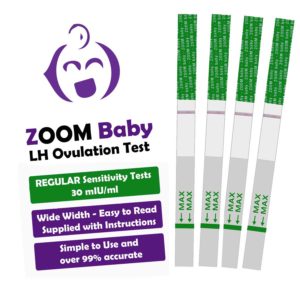
Ready to test? Our ovulation test kits provide accurate LH detection to help you identify your most fertile days. Available in regular and extra-sensitive options, with fast, discreet UK delivery.
What Customers Say
“I used these ovulation tests in 2009 and conceived the first month of trying, confirmed by the free pregnancy test that came with it. I couldn’t believe the pregnancy test could be accurate as they look so flimsy compared to the expensive ones you buy in the shop – so I bought a ‘proper’ one which only confirmed what the free test had told me. We would like to try for another baby so have ordered the same tests again from Zoom. They are reasonably priced and arrived on Monday having been ordered on Friday night. My one tip is to ensure you follow the instructions carefully and accurately for best results.”
— Laura R
“After 2 months of using the ovulation kits i got the chance to use one of the pregnancy testing strips and I’m pleased to say it was positive! I’m now 16 weeks pregnant and am sure we would still be trying to conceive had i not used your products. Thank you zoom baby.”
— Tina W
“Thanks so much for the ovulation kits – after just one month of using them I’m now pregnant!! I took 3 out of the 4 pregnancy tests I got from you as I couldn’t believe my eyes!!! Would highly recommend these tests, they work!!”
— K.L.
In Conclusion
Understanding the best time of day to take an ovulation test—and more importantly, being consistent with that timing—can significantly improve your chances of accurately detecting your LH surge and timing conception effectively. Whether you choose to test in the morning, afternoon, or evening, the key is consistency and following the test instructions carefully.
Remember that ovulation testing is just one tool in your conception toolkit. Combining ovulation tests with awareness of other fertility signs, maintaining a healthy lifestyle, and timing intercourse appropriately all work together to maximise your chances of pregnancy. For more strategies to support your conception journey, explore our guide on 7 simple ways to improve your fertility.
If you’ve been trying to conceive for more than 12 months (or 6 months if you’re over 35), it’s worth speaking to your GP about fertility testing and support options available through the NHS.
About the Author
Anthony Cunningham – Fertility Testing Expert & Editor
Anthony Cunningham, BA (Hons), MA, is a UK-based fertility testing expert and editor with over 20 years’ experience running Zoom Baby, a trusted source for accurate pregnancy, ovulation and fertility tests and testing guidance. He creates clear, evidence-based articles using NHS guidance, professional fertility resources, and conception planning best practices. Where possible, content is reviewed by fertility specialists and healthcare professionals to enhance accuracy and reliability, helping readers make informed testing decisions.
You May Also Like:
What Are the Signs of Ovulation?
Learn to recognise the physical signs your body shows when you’re ovulating, from changes in cervical mucus to mittelschmerz pain.
Using Ovulation Prediction Kits
A comprehensive guide to understanding how ovulation predictor kits work and how to use them effectively for conception planning.
When Can You Get Pregnant?
Understanding your fertile window and the best days for conception to maximise your chances of getting pregnant.
7 Simple Ways to Improve Your Fertility
Evidence-based lifestyle changes and practical strategies to support your fertility and improve your chances of conception.
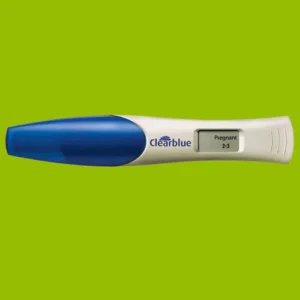


Zoom Baby is a leading supplier of Pregnancy Tests and Ovulation Test Kits.