
About This Article
Zoom Baby has supplied pregnancy, ovulation and fertility tests to UK customers for nearly 20 years. This guide draws on our experience helping thousands of people understand pregnancy testing accuracy, expiration dates, and getting reliable results. Always consult healthcare professionals for medical advice regarding conception and pregnancy.
Published: July 2022 | Last Updated: November 2025 | By Anthony Cunningham
Contents
Seeing those two pink lines show up on a pregnancy test is one of life’s most incredible moments. But when you’re trying to conceive (TTC), taking a pregnancy test can also be filled with anxiety. You desperately want to see a positive result, but don’t want to get your hopes up too soon.
Having an expired pregnancy test on hand can make this rollercoaster of emotions even more intense. You took the test hoping for happy news, but got a negative result. Could it be wrong because the test is out of date? Should you take another one just in case?
To help provide some guidance, here’s what you need to know about how long pregnancy tests are good for, if expired ones still work, and how to get the most accurate result possible.
How Do Pregnancy Tests Work?
First, it helps to understand what makes pregnancy tests tick in the first place. Most at-home pregnancy tests detect the presence of a hormone called human chorionic gonadotropin (hCG). This hormone is released by the placenta shortly after a fertilised egg attaches to the uterine lining.
HCG levels double every 48 to 72 hours during the first four weeks of pregnancy. Home pregnancy tests contain antibodies that bind to and detect elevated hCG levels in your urine. When hCG is detected, it triggers a chemical reaction that produces a coloured line on the test.
This is why most pregnancy tests instruct you to take them after missing your period. HCG builds up quickly in those early weeks, making it more likely the test will detect it. Understanding when is the best time to take a pregnancy test can significantly improve your chances of getting an accurate result.
Do Pregnancy Tests Expire?
So in order for home pregnancy tests to work accurately, those antibodies need to be active and ready to detect hCG. But just like food, they have a limited shelf life. Exposure to humidity, heat, sunlight, and other elements cause the antibodies to degrade over time.
Once the expiration date passes, there’s no way to know for certain if the test will provide accurate results. Manufacturers usually print the expiration date on the foil wrappers and boxes. For most brands, pregnancy tests typically expire after one to three years.
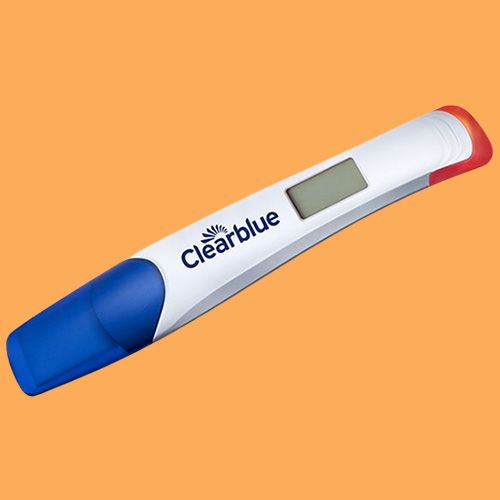
Digital pregnancy tests also have a limited lifespan. The batteries and digital displays don’t last indefinitely. Pay attention to the expiration date printed on each individual stick wrapper.
The Impact of Temperature on Pregnancy Tests
Temperature can affect the accuracy of pregnancy tests, even before they expire. Extreme heat or cold can damage the test strips and alter results.
Store tests at room temperature (between 2-30°C or 36-86°F) for best performance. Avoid leaving them in hot cars or freezing garages.
If a test has been exposed to extreme temperatures:
- Let it come to room temperature before use
- Check for any visible damage or discolouration
- Consider using a different test if unsure
While brief exposure to heat or cold likely won’t ruin a test, prolonged temperature swings can reduce accuracy. When in doubt, it’s best to grab a fresh test from the store.
Remember: proper storage helps maintain test quality up to the expiration date. But even a well-stored test can lose accuracy once expired.
Can Expired Pregnancy Tests Still Work?
There’s no way to know for sure if an expired pregnancy test will provide an accurate result. The antibodies may still detect hCG, but they could also be too degraded to work properly.
You’re more likely to get a false negative than a false positive on an expired test. As the antibodies break down over time, they may not pick up existing hCG levels in your urine. But a faint second line could randomly appear, even if you’re not actually pregnant.
Taking an expired test is essentially like rolling the dice. That’s why it’s always best to use a test that hasn’t passed its expiration date if you want definitive answers. If you’re experiencing symptoms but getting negative results, using a fresh, unexpired test is crucial.
Maximising Accuracy of Pregnancy Tests
To increase your chances of getting the right result on a pregnancy test, here are some helpful tips:
- Check the expiration date on the box and foil wrapper before using it.
- Store your tests properly in a cool, dry place and avoid getting them wet.
- Use first morning urine, which contains the most concentrated levels of hCG.
- Follow the manufacturer’s instructions exactly and read your results within the specified time frame.
- Take the test no sooner than the day after your missed period for optimal accuracy.
- Retest with a new, unexpired kit if you get a negative but still don’t get your period.
- Make a doctor’s appointment as soon as possible to confirm a positive at-home result.
The NHS recommends waiting until the first day of your missed period before testing for the most reliable results. Repeat testing and false hope from expired tests can take an emotional toll when you’re trying to conceive. The very best way to get a reliable result is to use a test that’s still within the expiration date.
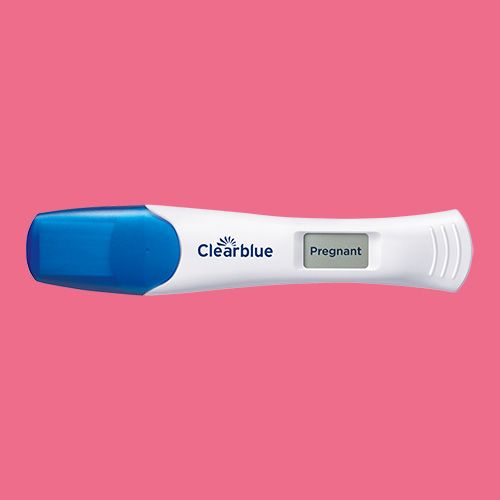
Ready to Test? Get accurate, reliable pregnancy tests with clear instructions and fast, discreet delivery. All our tests are well within their expiration dates and stored properly to ensure maximum accuracy.
What Customers Say
Here’s what real customers have said about their experience with our pregnancy tests:
“The pregnancy tests were simple to use and came with clear and easy to follow instructions. I feel confident that they are reliable and I am now keeping my fingers crossed for a positive result!”
— Lottie P.
“The positive line came up quite faint compared to the control line so I confirmed it was a true positive with a digital test of another brand. Overall the service I received was great and I would buy these again if required in the future.”
— Emma C.
“Apparently the pregnancy tests are the same ones that the NHS uses. I have yet to try mine out yet but I am already prepared! Pleased with the service and product quality from Zoom Baby. I certainly could not buy 5 pregnancy tests at Boots or Superdrug for this price, so I am very happy.”
— Leilla
Trust the Test Within the Expiration Date
Seeing those two pink lines is a magical moment for those trying to conceive. While it may be tempting to use an expired test, it’s just not worth the uncertainty.
To save yourself unnecessary confusion and disappointment, only rely on pregnancy tests that haven’t expired. This gives you the best chance at an accurate result so you can take the next steps for your health. Whether you’re looking for early detection tests or wondering about test accuracy factors, using fresh, properly stored tests is always your best approach.
About the Author
Anthony Cunningham – Fertility Testing Expert & Editor
Anthony Cunningham, BA (Hons), MA, is a UK-based fertility testing expert and editor with over 20 years’ experience running Zoom Baby, a trusted source for accurate pregnancy, ovulation and fertility tests and testing guidance. He creates clear, evidence-based articles using NHS guidance, professional fertility resources, and conception planning best practices. Where possible, content is reviewed by fertility specialists and healthcare professionals to enhance accuracy and reliability, helping readers make informed testing decisions.
You May Also Like:
Are Pregnancy Tests Always 100% Correct?
Discover the factors that can affect pregnancy test accuracy and how to ensure you get the most reliable results.
When Is the Best Time to Take a Pregnancy Test?
Learn about optimal testing timing to maximise accuracy and avoid false negatives.
False Negative Pregnancy Tests: 5 Things That Could Be Wrong
Understanding why you might get a negative result even when you’re pregnant.
What Are the Best Early Pregnancy Tests?
Compare early detection pregnancy tests and find out which ones can give you results sooner.



Zoom Baby is a leading supplier of Pregnancy Tests and Ovulation Test Kits.