

About This Article: Zoom Baby has supplied pregnancy, ovulation and fertility tests to UK customers for nearly 20 years. This guide draws on our experience helping thousands of people understand fertility testing, conception planning, and false positive pregnancy test results. Always consult healthcare professionals for medical advice regarding conception and pregnancy.
Published: July 10, 2023 | Last Updated: November 2025 | By Anthony Cunningham
You got that positive result—but your period started last week. How is that possible? Many people believe home pregnancy tests are 100% accurate, but the reality is more nuanced. This scenario leaves you doubting the result and wondering what went wrong.
The truth? Home pregnancy tests are between 97% and 99% accurate. However, this assumes you follow the directions perfectly. When a positive result appears, it means the test has detected enough human chorionic gonadotropin (hCG—the pregnancy hormone) to indicate pregnancy. Yet false positives do happen, and understanding why can help you interpret your results with confidence.
In This Guide
Understanding How Pregnancy Tests Work
When you take a pregnancy test, you’re checking for hCG (human chorionic gonadotropin), the pregnancy hormone secreted by the placenta once an embryo is implanted. This hormone increases significantly over the first two weeks of pregnancy. The test detects when the level is high enough to confirm pregnancy.
It’s important to note that all women have a small amount of hCG naturally in their body. A positive result means you have enough of the hormone to indicate pregnancy. However, there are several reasons why a test might show positive when you’re not actually pregnant—or when a pregnancy doesn’t continue as expected.
A Chemical Pregnancy
A chemical pregnancy is an early miscarriage that occurs before a pregnancy can be detected by ultrasound—typically before 5 weeks of gestation. These pregnancies result in a positive test followed by a period starting around the expected time.
According to Tommy’s charity guidance on chemical pregnancy, approximately 50–60% of conceptions do not result in a pregnancy that continues beyond the earliest stages. Many women experience chemical pregnancies without ever realising they were pregnant.
Modern pregnancy tests can detect hCG just a couple of days after ovulation, which is why early positives are now more common. While an early positive is exciting, it’s important to remember that chemical pregnancies are a normal part of human reproduction. If you experience a chemical pregnancy, your body will naturally return to its pre-pregnancy state.
hCG Shots and Fertility Treatment
If you’re receiving fertility treatment, you may be given injections of hCG (human chorionic gonadotropin) to stimulate ovulation. These shots help trigger the rupture of the egg follicle, making ovulation more predictable.
The key issue? This injected hCG can remain in your system for days after the injection. If you take a pregnancy test too soon, the test will detect the injected hormone and produce a false positive result. The HFEA (Human Fertilisation and Embryology Authority) recommends waiting a specific period based on the injection dose.
Wait times before testing:
- 10,000 IU injections: wait 14 days
- 5,000 IU injections: wait 10 days
- 2,500 IU injections: wait 7 days
If you’re undergoing fertility treatment, always consult your clinic about when to test. Testing too early is a common source of false positives in this situation.
Recent Pregnancy, Miscarriage, or Termination
After a recent pregnancy, miscarriage, or termination, hCG may still be present in your body. This hormone doesn’t disappear immediately—it takes time for your body to metabolise it completely. During this period, a pregnancy test might pick up the residual hCG and show a positive result, even though you are not currently pregnant.
According to NHS guidance on miscarriage, hCG levels can remain detectable for several weeks after a pregnancy ends. Your body will eventually return to normal, but if you continue to get positive results beyond 4 weeks and are concerned, it’s important to contact your GP for advice. Persistent positive results could indicate a complication requiring medical attention.
Evaporation Lines Explained
An evaporation line is a very faint line that can appear on a negative pregnancy test after it has dried. This is one of the most common sources of confusion when interpreting test results.
Here’s what happens: pregnancy tests need to be read within a specific time frame—usually about 5 minutes. When the test is fresh and still damp, the urine flows evenly across the test window. As the urine dries, residual ink in the test device can rise to the surface and become darker, creating what looks like a line. Many women mistake this for a positive result.
How to avoid evaporation line confusion:
- Read the test within the time frame specified in the instruction leaflet (usually 3–5 minutes)
- Do not read the test after 10 minutes have passed
- A true positive line will appear within the specified time frame and will be a clear, visible line
- If a line appears after the time frame, it is likely an evaporation line, not a positive result
This is the most important rule for obtaining an accurate pregnancy test result: do not read the results outside the specified time frame. Always refer to your instruction leaflet for the exact reading window.
Do Some Brands Perform Worse Than Others?
This is a question many people ask, and the short answer is: generally, most pregnancy tests are reliable, even cheap pregnancy tests. However, some supermarket brands do have more negative reviews than others.
Tests from supermarket chains sometimes receive poor reviews, but it’s not always clear whether this reflects poor test quality or user error. Many people don’t follow the instructions correctly—testing too early, using diluted urine, or reading results outside the time frame can all produce inaccurate results, regardless of brand.
The quality of pregnancy tests has improved significantly over recent decades. When choosing a test, focus on following the instructions precisely rather than worrying excessively about brand differences. Trusted brands with clear instructions and good customer support tend to perform better simply because users are more likely to use them correctly.
How to Avoid False Positives
Understanding false positives is one thing, but how can you minimise the risk? Here are practical steps to take:
Checklist for Accurate Results
- Test at the right time: Wait until at least the day your period is due, or better yet, a few days after. Early tests can increase false positive confusion.
- Read within the time frame: Never read your test more than 10 minutes after taking it. Follow your instruction leaflet precisely.
- Inform your healthcare provider of any medications: Fertility treatments, hCG injections, or other medications can affect results.
- If you’ve had a recent miscarriage or termination: Wait at least 4 weeks before relying on a pregnancy test result.
- Use your first urine of the day: This has the highest hCG concentration and gives the most accurate result.
- If in doubt, wait and retest: A true positive will remain positive on subsequent tests. A false positive typically won’t.
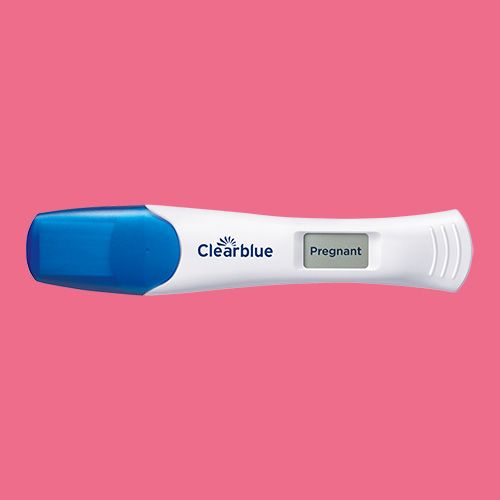
Ready to test? Explore our range of reliable, affordable pregnancy tests and find the right option for you.
What Customers Say
Our customers trust Zoom Baby pregnancy tests for their accuracy and reliability. Here’s what people have experienced:
“I have just found out I am pregnant after 8 months of trying. I’d only been using the ovulation tests for two months before I received the positive result I so wanted – thank you again.”
— SH, verified customer
“After 2 months of using the ovulation kits I got the chance to use one of the pregnancy testing strips and I’m pleased to say it was positive! I’m now 16 weeks pregnant and am sure we would still be trying to conceive had I not used your products.”
— Tina W, verified customer
“Thanks so much for the ovulation kits – after just one month of using them I’m now pregnant! I took 3 out of the 4 pregnancy tests I got from you as I couldn’t believe my eyes. Would highly recommend these tests, they work!”
— K.L., verified customer
In Conclusion
A positive pregnancy test result can occur for several reasons even when you’re not currently pregnant. Chemical pregnancies, hCG injections from fertility treatments, residual hCG from a recent pregnancy or miscarriage, and evaporation lines are all possible causes of false positives.
The key to accurate results is following the instructions carefully, reading tests within the specified time frame, and understanding your own circumstances. If you’re concerned about a result or have continued positive tests when you believe you’re not pregnant, always consult your GP for guidance.
When you’re ready to test, understand what affects accuracy, choose a test you trust, and remember that one positive result doesn’t confirm pregnancy—it simply warrants further investigation and professional medical advice.
About the Author
Anthony Cunningham – Fertility Testing Expert & Editor
Anthony Cunningham, BA (Hons), MA, is a UK-based fertility testing expert and editor with over 20 years’ experience running Zoom Baby, a trusted source for accurate pregnancy, ovulation and fertility tests and testing guidance. He creates clear, evidence-based articles using NHS guidance, professional fertility resources, and conception planning best practices. Where possible, content is reviewed by fertility specialists and healthcare professionals to enhance accuracy and reliability, helping readers make informed testing decisions.
You May Also Like:
How Early Pregnancy Tests Work
Learn how modern pregnancy tests detect hCG and why timing matters for accurate results.
What to Do If Your Test Is Negative but Your Period Is Late
Explore possible explanations and next steps when test results don’t match your expectations.
Are Cheap Pregnancy Tests Reliable?
Discover whether low-cost pregnancy tests offer the same accuracy as premium brands.
Am I Pregnant? – 10 Early Signs of Pregnancy
Learn to recognise early pregnancy symptoms beyond a positive test result.




Zoom Baby is a leading supplier of pregnancy tests and ovulation test kits, helping UK couples understand their fertility and conception journey with trusted, affordable testing solutions.