
About This Article
Zoom Baby has supplied pregnancy, ovulation and fertility tests to UK customers for nearly 20 years. This guide draws on our experience helping thousands of people understand early pregnancy testing, conception planning, and pregnancy confirmation. Always consult healthcare professionals for medical advice regarding conception and pregnancy.
Published: October 6, 2017 | Last Updated: December 28, 2025 | By Anthony Cunningham
Are you pregnant? Discover the results quickly with a super early pregnancy test.
If you think you might be pregnant – even if it was planned or not – it can be quite stressful!
Waiting to take a pregnancy test can take a while. With regular over the counter pregnancy tests, you have to wait for at least 3 weeks after intercourse, or after the first day of your missed period, in order to get a reliable result.
Waiting that long for a result is very stressful, especially for such a life-changing event. Many women are unsure when to take a pregnancy test and just guess.
Contents
Understanding Early Pregnancy Testing
One of the fastest pregnancy test available is the First Response Early Results Pregnancy Test, which is two times as sensitive compared to regular pregnancy tests on the market. The test can give results in as little as 6 days before the next due date of your period.
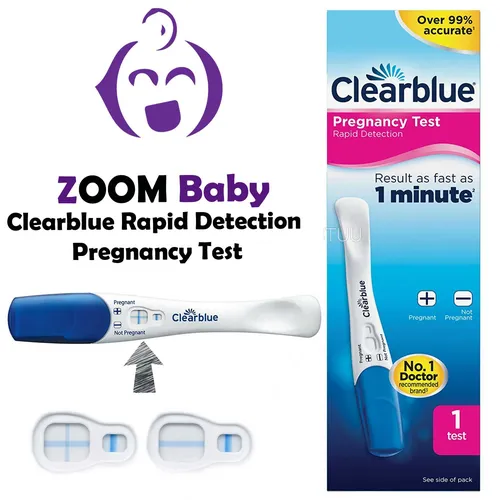
Even better value are Zoom Baby Early Pregnancy Test Strips or the Zoom Baby Midstream Pregnancy Test. Both of these products deliver early results at a fraction of the cost of high street tests.
According to the NHS guidance on pregnancy testing, most tests can detect pregnancy from the first day of a missed period, but ultra-early tests can provide results even sooner. Understanding what makes the best early pregnancy tests can help you choose the right option for your situation.
Could You Be Pregnant? Early Signs
If you’re wondering whether you might be pregnant, your body may already be giving you clues. Common early pregnancy signs include:
- Your period is late
- Nausea and/or throwing up
- Fatigue
- Sore breasts
- Urinating more frequently than normal
- Food cravings and an increased level of responsiveness to scents and tastes
For a more comprehensive look at what to watch for, read our detailed guide on 10 early signs of pregnancy. The NHS also provides guidance on recognising pregnancy symptoms.
If there is an increase in the hormone HCG in the urine, the Ultra Early Pregnancy Test will detect it.
HCG levels for women who are not pregnant are usually under 3 IU/L (international units per litre), however, by the 10th week after conception, this level can reach as much as 230,000 IU/L. Levels as low as 5 IU/L can be detected by the Suresign test and is comparable to any pregnancy test given by a doctor.
How Does the Test Work?
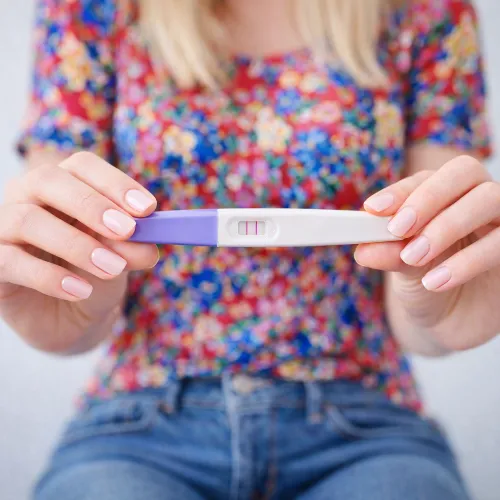
Early pregnancy tests work simply. You just have to pee onto a test stick for 3 seconds, ideally when you first get up in the morning as this is when the hormones are at peak levels, but the test can be performed anytime throughout the day if required. Results are available in only 3 minutes – one line means you are not pregnant and two lines mean that you are pregnant, even if the lower line is faded.
If your period isn’t late, it is recommended that you perform a second test a couple of days later. Once you get the result, either way, you will feel greatly relieved; don’t stress yourself by putting it off, take an early pregnancy test today! Could you be pregnant? Find out as soon as possible with this super early test for pregnancy.
The best way to take a pregnancy test is to follow the instructions on the packet clearly in order to ensure accurate results. However, it’s important to understand that pregnancy tests aren’t always 100% correct, and several factors can affect your results.
If you are pregnant, and that’s what you wanted, congratulations! Read our blog post on what to do next.
Ready to Find Out? Get accurate pregnancy tests with free UK delivery. Order today and receive discreet packaging with fast dispatch.
What Customers Say
“I used these ovulation tests in 2009 and conceived the first month of trying, confirmed by the free pregnancy test that came with it. I couldn’t believe the pregnancy test could be accurate as they look so flimsy compared to the expensive ones you buy in the shop – so I bought a ‘proper’ one which only confirmed what the free test had told me.”
— Laura R, verified customer
“Thanks so much for the ovulation kits – after just one month of using them I’m now pregnant!! I took 3 out of the 4 pregnancy tests I got from you as I couldn’t believe my eyes!!! Would highly recommend these tests, they work!!”
— K.L., verified customer
“After 2 months of using the ovulation kits I got the chance to use one of the pregnancy testing strips and I’m pleased to say it was positive! I’m now 16 weeks pregnant and am sure we would still be trying to conceive had I not used your products. Thank you zoom baby.”
— Tina W, verified customer
What to Do If You Get a Positive Result
Getting a positive pregnancy test result can be an exciting but nerve-wracking time. Here are some tips on what to do next if your test comes back positive:
- Make an appointment with your GP – Getting early prenatal care is important for your health and the health of your baby. Your doctor can confirm the pregnancy, estimate your due date, and start you on prenatal vitamins. The NHS provides guidance on booking your first midwife appointment.
- Take care of yourself – Eat a balanced diet, take prenatal vitamins, get plenty of rest, and avoid alcohol, smoking and risky activities. Staying healthy keeps you and baby well.
- Tell your partner – If you have a significant other, they’ll want to know this big news! Decide when and how you want to share it together.
- Calculate your due date – Using the first day of your last period and an online due date calculator can give you an estimate of when to expect the baby. Dating scans later on will give a more accurate date.
- Make lifestyle adjustments – Consider any changes needed to medications, exercise routine, work schedule or finances to accommodate your pregnancy.
- Research pregnancy care – Learn about what to expect during prenatal visits, recommended tests, labour stages and more so you feel empowered.
- Look into pregnancy benefits – Inquire with your HR department about maternity leave, pay and health insurance to understand your options.
- Tell close family when ready – Many mums-to-be share the news early on with close family members first before announcing more widely.
- Join pregnancy groups – Connecting with other expecting mums can provide support, advice and friendship during your 9 month journey.
- Start a journal – Writing about your thoughts, feelings and milestones along the way can be special to look back on.
- Download apps – Pregnancy apps can be handy for tracking your progress, symptoms, appointments and baby’s growth week-to-week.
With some preparation and care, you can feel confident embracing this next chapter. Congratulations on the positive pregnancy test!
What If You Get a Negative Result
Seeing a negative pregnancy test when you want to be pregnant can be disappointing. Here are some tips on next steps if your test comes back negative:
- Take another test in a few days – HCG levels build up over time, so it’s possible to get a negative at first even if pregnant. Retest in 2-3 days. Understanding false negative pregnancy tests can help you know when to retest.
- Analyse your cycle – Think about dates and symptoms to determine if you could have tested too early. You may ovulate/conceive later than assumed.
- Make an OB/GYN appointment – Your doctor can do a blood test to confirm results if periods are irregular. They can also address any underlying issues.
- Don’t give up hope – Many couples conceive within 6 months to a year of trying. Stay positive and keep trying on fertile days. Timing matters.
- Explore options if challenges – Issues like infertility or miscarriages may need medical support. The Fertility Network UK offers valuable support and guidance. Doctors can provide guidance on next steps.
- Focus on health – Tracking cycles, maintaining a healthy BMI, taking prenatals and minimising stress can optimise fertility and outcomes.
- Lean on your partner – Getting disappointing results can be emotional. Support each other through this process of trying to conceive.
- Practice self-care – Take time for yourself, do activities you enjoy and find communities that understand what you’re going through.
- Adjust expectations – The average time to conceive is 4-6 cycles for women under 35. Be patient with your body and the process.
- Make lifestyle changes – Boost fertility chances by quitting smoking, limiting alcohol, improving diet and exercising regularly.
Though it may take longer than planned, your time for a positive pregnancy test could still come. Stay hopeful! If challenges persist, your doctor can explore solutions with you.
In Conclusion
Whether you’re eagerly hoping for a positive result or anxiously wondering about pregnancy, early pregnancy tests can provide answers when you need them most. By understanding when to test, recognising early pregnancy signs, and knowing what steps to take regardless of your result, you can navigate this important moment with confidence.
Remember that accurate results depend on proper timing and following test instructions carefully. If you have questions about your results or need support during your conception journey, don’t hesitate to reach out to healthcare professionals or support organisations like Tommy’s for evidence-based guidance.
About the Author
Anthony Cunningham – Fertility Testing Expert & Editor
Anthony Cunningham, BA (Hons), MA, is a UK-based fertility testing expert and editor with over 20 years’ experience running Zoom Baby, a trusted source for accurate pregnancy, ovulation and fertility tests and testing guidance. He creates clear, evidence-based articles using NHS guidance, professional fertility resources, and conception planning best practices. Where possible, content is reviewed by fertility specialists and healthcare professionals to enhance accuracy and reliability, helping readers make informed testing decisions.
You May Also Like:
Am I Pregnant? – 10 Early Signs of Pregnancy
Discover the most common early pregnancy symptoms and what they mean. Learn which signs to watch for and when to take a test.
When Is the Best Time to Take a Pregnancy Test?
Timing matters when testing for pregnancy. Find out exactly when to test for the most accurate results.
False Negative Pregnancy Tests: 5 Things That Could Be Wrong
Got a negative test but still think you’re pregnant? Learn why false negatives happen and what to do next.
What are the Best Early Pregnancy Tests?
Compare the top early detection pregnancy tests and find out which ones offer the earliest, most reliable results.


Zoom Baby is a leading supplier of Pregnancy Tests and Ovulation Test Kits.