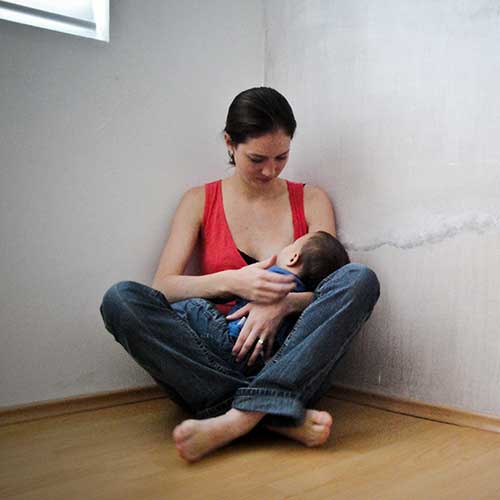
Should breastfeeding mothers be concerned about if drinking alcohol could negatively impact their baby? There is so much conflicting info that they end up having even more questions and fewer answers. Pregnant women are advised not to consume alcohol during their pregnancy as research shows that it could negatively affect the unborn baby, but the evidence isn’t as clear when it comes to consuming alcohol while breastfeeding.
It isn’t illegal to drink alcohol while breastfeeding and throughout history, breastfeeding women have enjoyed the occasional alcoholic drink. The impact of alcohol on a breastfeeding baby depends on the amount of alcohol the mother consumes. If a breastfeeding mother drinks alcohol in moderation, there hasn’t been any evidence to show that there is a negative impact on the baby. However, numerous women would like to have a drink, but they feel that doing so will negatively impact the baby.
It’s important to note that the effects of alcohol on a breastfeeding baby can vary depending on the age, weight, and general health of the baby. Newborns, premature babies, and babies with health issues may have a harder time processing alcohol and it can lead to drowsiness, deep sleep, and even decreased milk intake.
To ensure the safety of your baby, it’s recommended to wait at least 2 hours after consuming a drink before breastfeeding. This allows time for the alcohol to clear from your bloodstream and milk. If you are planning on drinking more than one drink, it may be best to pump and store milk beforehand and feed your baby with that milk instead.
It’s also important to remember that drinking in excess can impair your judgement and ability to care for your baby safely. Always have a plan in place if you choose to consume alcohol while breastfeeding, such as having a sober caregiver available to assist with the baby if needed. Ultimately, it’s up to each individual mother to make an informed decision about drinking while breastfeeding and to prioritise the safety and well-being of their baby.
Things to Take Into Account
Your baby’s age
- The liver of a newborn isn’t fully developed and alcohol could have a negative impact
- Until the age of 3 months old, infants only metabolise alcohol half as fast as adults
- Older babies have the ability to metabolise alcohol faster than newborn babies
Your weight
- The size of a person will determine how fast they are able to metabolise alcohol
- A person who is heavier will metabolise alcohol faster than a person who is lighter
Amount of Alcohol
- The impact of alcohol on an infant will depend on how much alcohol has been consumed
- The more alcohol ingested, the more time it will take to be eliminated from the mother’s system
Will You Be Eating
- The absorption of alcohol into the bloodstream decreases when food is consumed with an alcoholic beverage
How Much Alcohol Passes Into Breastmilk?
A breastfeeding mother’s milk has the same amount of alcohol as her blood and it increases and decreases accordingly. Once you determine the level of alcohol in your blood, you will know the level in your milk. Alcohol is easily absorbed into breastmilk and peaks around 1/2 hour to an hour after ingesting a drink, and 1 hour to 1 1/2 hour if the drink is consumed with food.
Alcohol also easily passes out of breastmilk and her overall system, therefore, it isn’t often required to express milk and get rid of it. Once alcohol disappears from the blood it also disappears from the milk. A woman weighing around 140 pounds will take 2 to 3 hours to get rid of the alcohol in a serving of wine or beer. The more alcohol that is ingested, the longer the body will take to eliminate it. For instance, if the same woman ingested 4 drinks, it could take 9 to 10 hours for the breastmilk to show no signs of alcohol.
Alcohol Abuse Negatively Affects The Baby
If a mother abuses alcohol, it could have a negative impact on the baby. If there are any doubts about the impact that alcohol is having on the baby, the breastfeeding mother should consult with her doctor. Intoxicated mothers should never breastfeed until the alcohol is fully out of their system.
When infants consume large quantities of alcohol from their mother’s milk, it could result in deep sleep, drowsiness, unusual weight gain and weakness.
Drinking mothers should not sleep in the same bed with their baby, since their usual reflexes will be dulled. If a mother abuses alcohol, it could result in the baby having slow weight gain or not thriving at all. The baby might miss feeds, sleep more or might not suck properly, which will lead to them not getting enough milk. Alcohol in the breastmilk might even delay the baby’s motor development.
Planning Ahead for Social Events
While enjoying the occasional drink is possible when breastfeeding, social events need extra thought. Don’t let anxiety about drinking stop you from celebrating special occasions – just plan ahead! Here’s a clever trick: try scheduling your baby’s feeding right before heading out. This gives you more flexibility during the event since you’ll have a few hours before the next feed.
Keep a “just in case” stash of pumped milk in your freezer for unexpected situations. If you’re heading to a wedding or birthday party, pump enough milk beforehand to cover potential feeds. This way, you can relax and enjoy a glass of champagne without worrying about timing.
Remember those pocket-sized alcohol test strips? They’re perfect for popping in your purse when you’re out. While they’re not essential, some moms find them reassuring for checking their milk after social events.
Buy Breast Milk Alcohol Test Strips
Photo Credit:”Breastfeeding” (CC BY-ND 2.0) by coatl28
This post first appeared in 2018. It was last updated in October 2024.
Zoom Baby is a leading supplier of Pregnancy Tests and Ovulation Test Kits