

About This Article
Zoom Baby has supplied pregnancy, ovulation and fertility tests to UK customers for nearly 20 years. This guide draws on our experience helping thousands of people understand ovulation tracking, fertility testing, and conception planning. Whether you’re using apps, test strips, or fertility monitors, accurate ovulation tracking is key to understanding your fertile window. Always consult healthcare professionals for medical advice regarding conception and pregnancy.
Published: 10 November 2024 | Last Updated: 16 January 2026 | By Anthony Cunningham
If you want to become pregnant or (or even avoid becoming pregnant), knowing when you ovulate is extremely important. Ovulation is noted as the time in which the body releases a mature egg that can then be fertilised. Your most fertile days are around this time of the month. This is when you are ovulating.
You already know why you want to know when your body is ovulating, but now it’s coming up with how to know the time you’re ovulating. Thankfully, women have a ton of choices when it comes to knowing when they’re ovulating – some free; some are a bit more expensive.
In This Guide:
Use An Ovulation Calculator
If you want a free method to learn what your ovulation time frame is, an ovulation calculator can give you a basic idea. All you need to do is type in some general cycle information (last period start date, average cycle length, etc.).
The calculator will provide you with an estimated ovulation date. The calculator gives you a general idea of when the process occurs, but it’s only statistical averages and isn’t a true representation of what your situation is. For women with irregular cycles, more precise methods like ovulation tests may be necessary.
We have a very simple ovulation calculator which can be found on the Zoom Baby website.
- Pros – Free to use
- Cons – It can be inaccurate because it’s based on statistical averages
Ovulation Tests
Ovulation tests cost a little bit of money and use urine to give you a general idea of your ovulation date. Many women who want to become pregnant use these tests. They’ll sample the body’s unique hormone composition to find out when the ovulation is going to happen. This is done by looking at the hormone that determines ovulation. When the threshold sensitivity level hits 20 to 25 miu/ml LH, the test turns positive, and ovulation can occur between 24 and 48 hours.
According to NHS guidance on getting pregnant, understanding your menstrual cycle and knowing when ovulation occurs can significantly improve your chances of conception. Recognising the signs of ovulation alongside using ovulation tests gives you the best chance of timing intercourse during your fertile window.
Types of Ovulation Tests
At Zoom Baby we offer various types of Ovulation Tests. Our most popular ones are a simple ovulation test strip which is dipped into a urine sample and a result is recorded. These are the simplest type of Ovulation Test and also the cheapest. These tests offer up to 99% reliability in predicting ovulation and can be purchased as Regular and Extra-Sensitive forms. They offer a simple and easy method of finding out when you are ovulating.
One step up from test strips are ovulation midstreams. These are similar in design to a conventional pregnancy test. You just take the test out of the wrapper and wee on it! Results appear moments later.
How to Interpret Ovulation Test Results
Understanding your test results is crucial for accurate ovulation tracking. A positive result occurs when the test line is as dark as or darker than the control line, indicating your LH surge. This surge typically happens 24-48 hours before ovulation, giving you advance notice of your most fertile period. For detailed guidance on using ovulation prediction kits, refer to our comprehensive guide which covers timing, frequency, and best practices.
- Pros – They don’t cost very much and are reliable.
- Cons – Short notice of ovulation timeframe (usually 24 to 48 hours).
Track Your Basal Body Temperature (BBT)
Another way to track your ovulation is by keeping tabs on your basal body temperature (BBT). Your BBT is your body’s temperature at rest, and it typically rises slightly after ovulation. By taking your temperature each morning before getting out of bed and recording it on a chart, you can detect the shift in temperature that signals ovulation. This method requires some commitment, as you’ll need to take your temperature at the same time every day and record it accurately.
How BBT Tracking Works
BBT tracking involves measuring your body temperature first thing in the morning, before any physical activity. After ovulation, your body’s progesterone levels rise, causing a slight temperature increase of around 0.2-0.5°C. This temperature shift confirms that ovulation has already occurred, making it useful for identifying patterns over several months rather than predicting your current cycle’s fertile window.
For best results, use a digital basal thermometer and record your temperature at the same time each morning. Over 2-3 cycles, you’ll begin to see patterns that can help you anticipate when ovulation is likely to occur. Many women combine BBT tracking with ovulation tests for the most comprehensive approach to fertility awareness.
- Pros – Confirms ovulation has occurred; helps identify cycle patterns over time
- Cons – Only confirms ovulation after it happens; requires consistent daily tracking; can be disrupted by illness or poor sleep
Ferning Microscopes
There’s also the use of saliva-based ovulation tests like the Maybe Baby Saliva Ovulation Tester which will tell you when you are ovulating.
These products detect the rise in oestrogen that takes place right before ovulation. A rise in saliva salinity is often accompanied by the rise in oestrogen and is noted by testing a sample of the saliva under the microscope. When the rise of oestrogen hits zenith, the sample will result in a ferning pattern.
The Pros and Cons of Using a Ferning Microscope
Pros
- Saliva-based ovulation tests are non-invasive and easy to use.
- The test is based on the rise in oestrogen which is a reliable indicator of ovulation
- The ferning pattern is easy to identify and gives a clear indication of ovulation.
- Ferning microscopes are relatively affordable and can be reused multiple times.
Cons
- Saliva-based ovulation tests may not be suitable for everyone as some women may have difficulty producing enough saliva for the test.
- The test may not be as accurate as other methods such as ultrasound or blood tests.
- The interpretation of the ferning pattern may vary depending on the user’s experience.
- The test may not work for women who have irregular menstrual cycles or hormonal imbalances.
Electronic Fertility Monitor
Electronic fertility monitors are noted as being the best of the best for ovulation prediction. They offer unmistakable results and provide you with more notice of when ovulation is set to occur. An electronic fertility monitor works by figuring out what the body’s hormonal composition is. It provides you with precise predictions about your fertility status, letting you know when the best days to get pregnant are.
We recommend the Clearblue Advanced Fertility Monitor as the being the easiest and most reliable monitor on the market.
- Pros – Best ovulation predictor, understandable results and more notice about the ovulation timeframe.
- Cons – Cost
As you see, there are all kinds of ways to determine when your ovulation date is about to occur. If you want to conceive, don’t just guess when your ovulation date is. Use any of the above methods to know when you’re about to ovulate. Understanding when you can get pregnant during your cycle is essential for conception success.
Use A Fertility App On Your Phone
If you have a smartphone you might want to try one of the numerous fertility apps that have appeared in the last couple of year. Some of the more popular apps include:
Groove – this popular app uses advanced algorithms to predict your upcoming periods with accuracy. This allows to to discover patterns and know what to expect when it comes to your fertility. The app is available for both Apple and Android devices.
Clue – Period & Health Tracker allows you to track your period and health cycles to keep all aspects of your health and fitness in check. The app can send you personalised reminders about your period, PMS, ovulation, and fertility.
My Cycles is an Android app that can help you track the beginning of your cycle, your period, fertile window and ovulation day.
Ovulation Tracking Apps: A Modern Solution
As technology continues to advance, ovulation tracking apps have become an increasingly popular and convenient option for women trying to conceive or avoid pregnancy. These apps harness the power of your smartphone to provide personalised ovulation predictions based on your menstrual cycle data. Many offer additional features like fertility calendars, symptom tracking, and even tips for boosting fertility.
The convenience of having all this information at your fingertips can be a game-changer. Plus, many apps sync across devices so you and your partner can stay on the same page. While not a substitute for medical advice, ovulation apps are an affordable and user-friendly way to gain valuable insights into your cycle.
What If You Have Irregular Cycles?
If you have irregular periods, tracking ovulation can be more challenging but still achievable. Consider using ovulation tests more frequently throughout your cycle, or opt for an electronic fertility monitor that can adapt to irregular patterns. Late ovulation is common and doesn’t necessarily indicate a problem, but understanding your unique cycle pattern is important.
The NHS recommends consulting a GP if you’ve been trying to conceive for over a year (or six months if you’re over 35) without success. Healthcare professionals can provide fertility assessments and guidance tailored to your situation.
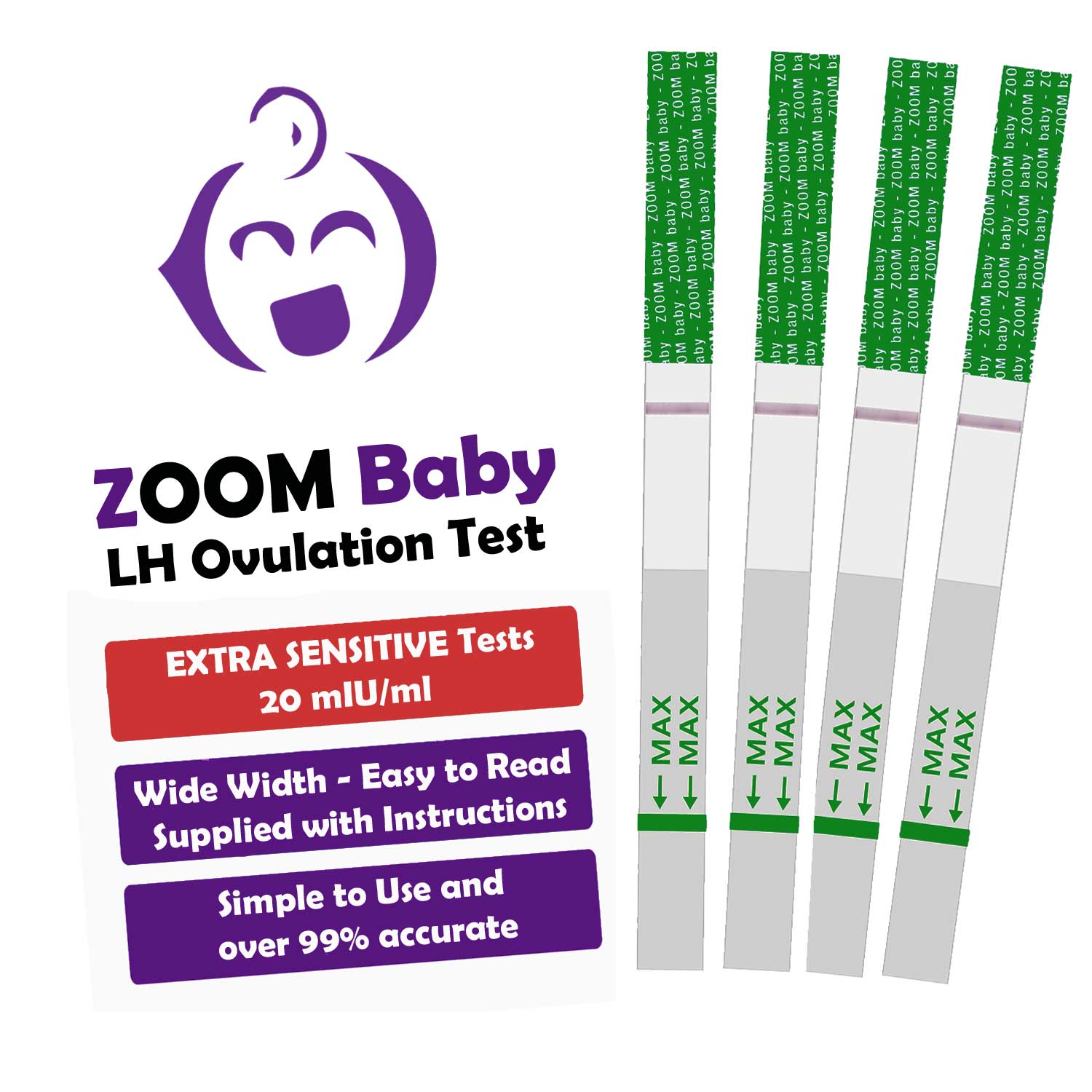
Ready to track your ovulation? Our Extra-Sensitive Ovulation Test Strips detect the LH surge 24-48 hours before ovulation, giving you advance notice of your most fertile days. With up to 99% accuracy and affordable pricing, they’re trusted by thousands of UK customers trying to conceive.
What Customers Say About Our Ovulation Tests
“I used these ovulation tests in 2009 and conceived the first month of trying, confirmed by the free pregnancy test that came with it. I couldn’t believe the pregnancy test could be accurate as they look so flimsy compared to the expensive ones you buy in the shop – so I bought a ‘proper’ one which only confirmed what the free test had told me. We would like to try for another baby so have ordered the same tests again from Zoom. They are reasonably priced and arrived on Monday having been ordered on Friday night. My one tip is to ensure you follow the instructions carefully and accurately for best results.”
— Laura R.
“After 2 months of using the ovulation kits i got the chance to use one of the pregnancy testing strips and I’m pleased to say it was positive! I’m now 16 weeks pregnant and am sure we would still be trying to conceive had i not used your products. Thank you zoom baby.”
— Tina W.
“I bought this small pack of ovulation tests to try them out. They arrived very quickly. The tests were easy to use and gave an easy to read result. Just what you need when you are looking for cheap ovulation tests. I have since ordered another 20 of these ovulation tests. I also got a 15% off discount code with my first order, which made the 20 pack really good value. Overall, a good buy!”
— Emma S.
In Conclusion
Tracking ovulation doesn’t have to be complicated or expensive. Whether you choose a free ovulation calculator, affordable test strips, comprehensive fertility monitoring, or smartphone apps, the key is finding a method that fits your lifestyle and budget. Many women find that combining methods – such as using ovulation tests alongside an app or BBT tracking – provides the most reliable results.
Remember that understanding your fertility is just one part of the conception journey. If you’re looking for additional ways to optimise your chances, explore our guide on 7 simple ways to improve your fertility. And if you have questions or concerns about your cycle or fertility, don’t hesitate to speak with your GP or a healthcare professional who can provide personalised guidance.
At Zoom Baby, we’re here to support you every step of the way with reliable, affordable ovulation and pregnancy tests backed by nearly 20 years of experience helping UK families.
About the Author
Anthony Cunningham – Fertility Testing Expert & Editor
Anthony Cunningham, BA (Hons), MA, is a UK-based fertility testing expert and editor with over 20 years’ experience running Zoom Baby, a trusted source for accurate pregnancy, ovulation and fertility tests and testing guidance. He creates clear, evidence-based articles using NHS guidance, professional fertility resources, and conception planning best practices. Where possible, content is reviewed by fertility specialists and healthcare professionals to enhance accuracy and reliability, helping readers make informed testing decisions.
You May Also Like:
Using Ovulation Prediction Kits
Learn how to use ovulation prediction kits effectively to maximise your chances of conception.
What Are the Signs of Ovulation?
Discover the physical signs and symptoms that indicate you’re ovulating.
7 Simple Ways to Improve Your Fertility
Practical, evidence-based tips to boost your fertility naturally.
Late Ovulation: A Simple Guide
Understanding late ovulation and what it means for your fertility.



Zoom Baby is a leading supplier of Pregnancy Tests and Ovulation Test Kits