About This Article
Thinking about having a baby? This Zoom Baby guide explains five ways to prepare for pregnancy, including understanding your menstrual cycle, improving your nutrition, seeking medical advice and identifying your fertile days. The article has been updated to reflect current UK preconception guidance.
Last Updated: 13 November 2026 | By: Anthony Cunningham, Fertility Testing Expert & Editor
Are you thinking of having a baby? Women get pregnant all the time without any advice or help, but if you are anxious to get pregnant, here are some things that can help.
Be Familiar with Your Body
Think back to high school biology. If you paid attention, you’ll remember some of this. Women have ovaries that contain eggs. Ovulation usually happens around 10 to 16 days before your next period begins, although the timing varies from woman to woman and from cycle to cycle. An egg is released from an ovary and enters a fallopian tube. If you have had sex without a condom or similar method of contraception, sperm may be present and could fertilise that egg. If fertilisation occurs and the resulting embryo successfully implants in the uterus, pregnancy begins. If fertilisation does not occur, the egg breaks down and your body prepares for the next menstrual cycle. Awareness of your specific cycles will help you determine the optimal times to have a little fun with your partner in order to get pregnant.
Know the Odds
The chances of getting pregnant in any given cycle vary according to age and other factors, but may be around 20 percent for some healthy couples, so don’t be too surprised if you don’t get pregnant right away. You have a fertile window of approximately six days, including the five days before ovulation and the day of ovulation. After you have sex, sperm has a long way to swim upstream to find the egg. Having sex every two to three days throughout the month is a practical way to improve your chances without needing to pinpoint ovulation.
There’s usually no need to worry if pregnancy does not happen immediately. However, if you have been trying to get pregnant for a year without success, speak to your GP. If you are aged 36 or over, or have a known condition that might affect fertility, seek advice sooner.
Nutrition
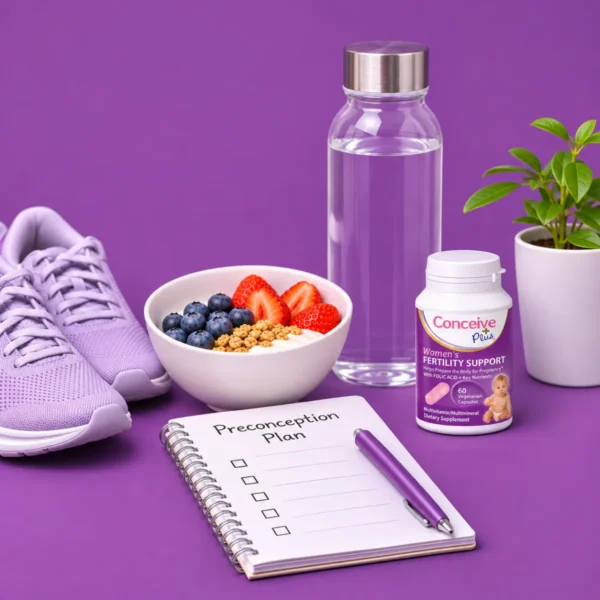
Start preparing yourself to grow a baby well in advance of getting pregnant. Start taking prenatal vitamins, or a suitable supplement containing 400 micrograms (mcg) of folic acid, as soon as you decide to start trying. Continue taking folic acid until you are 12 weeks pregnant. Some women need a higher prescribed dose of 5 mg, so ask your GP if you have any risk factors that might make this necessary.
Taking folic acid before and in the early weeks of pregnancy will lower your baby’s risk of spina bifida and other neural tube defects. Folic acid and naturally occurring folate are found in foods such as spinach, black beans, strawberries and fortified cereals, but dietary sources alone are not a substitute for the recommended supplement.
There are lots of prenatal vitamins to choose from. If you take a pregnancy multivitamin, make sure it is suitable for pregnancy and does not contain vitamin A in the form of retinol. Vitamin D supplementation is also recommended during pregnancy.
Men can do their bit too. A balanced diet, regular exercise, avoiding smoking and limiting alcohol can all support general reproductive health. Products such as Wellman Conception are available, although taking a fertility supplement has not been shown to guarantee improved fertility or pregnancy outcomes.
See Your Doctor
While it’s not necessary to worry if you don’t get pregnant right away, and you’ll be seeing your maternity healthcare team regularly once you’re pregnant, it’s still a good idea to arrange a preconception check-up if you have any concerns. At this appointment, you’ll have the opportunity to discuss your medical history, dietary habits, medicines, vaccinations and any factors that could cause you difficulty getting pregnant or complications once you are.
If you have an existing medical condition or take regular medication, speak to your GP before trying for a baby. Do not stop prescribed medication without medical advice.
What Are You Waiting for?
Don’t worry too much about timing in the first couple of months. Some women notice changes in sexual desire around ovulation, although this is not a reliable way to identify fertile days. If you really want to maximise your chances, here are some useful tips:
- Use an ovulation test to help identify your fertile days and plan when to have sex.
- Have sex regularly, ideally every two to three days, rather than relying on one particular day of your cycle.
- There’s no need to tilt your pelvis or remain lying down after sex. There is no good evidence that these techniques improve your chances of conception.
- Some lubricants can affect sperm movement in laboratory tests. If you need lubrication, consider a product specifically designed to be sperm-friendly, although these products have not been proven to increase pregnancy rates.
Featured Product: Clearblue Advanced Digital Ovulation Test Kits – 10 Pack
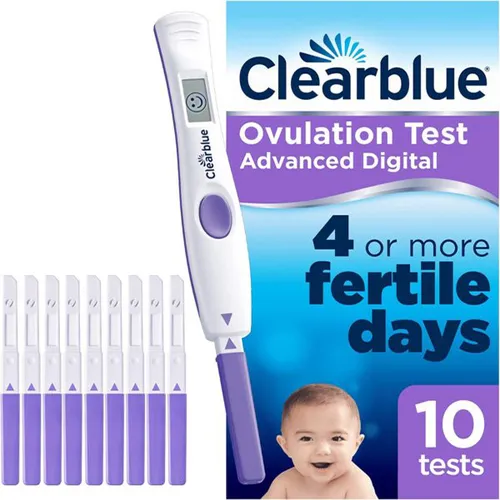
The Clearblue Advanced Digital Ovulation Test Kits – 10 Pack measures changes in two fertility hormones to help identify high and peak fertility days. Its digital results make it easier to recognise when you may be approaching ovulation, giving you useful information when planning to conceive.
Once you conceive, the real journey begins! Preparing your body and mind for pregnancy can make the experience smoother. Why not enrol in prenatal yoga or meditation classes, provided these are suitable for your stage of pregnancy? These practices can promote relaxation and help you feel more prepared. Speaking of bonding, starting a pregnancy journal allows you to record special moments and feelings. You’ll cherish this keepsake for years.
Nutrition remains crucial, so continue taking the supplements recommended for pregnancy. Pay attention to food cravings and aversions, but remember that cravings do not reliably indicate nutritional deficiencies. Don’t shy away from indulging reasonable cravings occasionally, provided the foods are safe during pregnancy. Most importantly, share your excitement with loved ones. Their support provides an invaluable emotional boost during this transformative time. With preparation and a positive mindset, you can look forward to the next stage of your journey.
About the Author
Anthony Cunningham, BA (Hons), MA, is a UK-based fertility testing expert and editor with over 20 years’ experience running Zoom Baby, a trusted source for accurate pregnancy, ovulation and fertility tests and testing guidance. He creates clear, evidence-based articles using NHS guidance, professional fertility resources, and conception planning best practices. Where possible, content is reviewed by fertility specialists and healthcare professionals to enhance accuracy and reliability, helping readers make informed testing decisions.
Medical Disclaimer
This article is for general information only and is not a substitute for professional medical advice, diagnosis or treatment. If you have concerns about your health or symptoms, speak to your GP or another qualified healthcare professional. In an emergency, seek urgent medical help.