
About This Article
Zoom Baby has supplied pregnancy, ovulation and fertility tests to UK customers for nearly 20 years. This guide draws on our experience helping thousands of people understand pregnancy test timing, hCG hormone levels, and early detection testing. Always consult healthcare professionals for medical advice regarding conception and pregnancy.
Published: November 17, 2024 | Last Updated: January 3, 2026 | By Anthony Cunningham
Normally, a pregnancy test can be taken up to five or six days before your expected period is due. Tests that can detect pregnancy at this early stage include the First Response Early Results Pregnancy Test, the Clearblue Early Detection Pregnancy Test, the Clearblue Digital Early Detection Pregnancy Test, and the Conceive Plus Pregnancy Test.
Your hCG levels will rise rapidly at the beginning of a pregnancy, so if you need as accurate a result as possible, take a test on the day of your missed period. Whatever the results, be it negative or positive, your result will be over 99% accurate.
Quick Navigation
When To Take A Pregnancy Test – Morning, Afternoon or Evening?
If possible, do the pregnancy test in the morning, as soon as you can. At this time, your hCG levels will be at their highest. If this is not possible (or perhaps you prefer to do a test sooner rather than later), try not to go to the toilet for a few hours. Then take the test.
One thing you should avoid doing is drinking lots of fluids to make yourself wee. This can cause the hormone levels in your urine to be diluted, increasing the chances of an incorrect result.
According to the NHS guidance on pregnancy testing, using first morning urine provides the most concentrated sample, which is particularly important for early testing. Many people wonder about the best time to take a pregnancy test to ensure accuracy.
Understanding hCG Hormone Levels
Human chorionic gonadotropin (hCG) is the pregnancy hormone that tests detect in your urine. After conception, hCG levels double approximately every 48-72 hours during the early weeks of pregnancy. This rapid increase is why testing too early can produce a negative result even when you are pregnant.
Different pregnancy tests have varying sensitivity levels, measured in mIU/ml (milli-International Units per millilitre). Early detection tests can detect hCG at levels as low as 10 mIU/ml, whilst standard tests typically require 25-50 mIU/ml. Understanding what makes an early pregnancy test different can help you choose the right product for your situation.
Pregnancy Test Sensitivity Guide
- Ultra-Sensitive Tests (10 mIU/ml): Can detect pregnancy up to 6 days before missed period
- Early Detection Tests (20-25 mIU/ml): Reliable from 3-4 days before missed period
- Standard Tests (25-50 mIU/ml): Most accurate from day of missed period onwards
How To Read The Results
Always read the instructions carefully before taking any pregnancy test. This will help you clearly understand how those little blue lines work! Also, check the expiry date on the test, as they generally can only be stored for 1-2 years before going out of date.
Most tests are similar in that they normally have two windows for results. One window is a control window, which will usually show one line before taking the test to indicate it is working. Many Clearblue pregnancy tests are designed like this.

After urinating on the test and waiting the correct amount of time, you will see a single line or two lines forming a cross in the results window. The cross means you are pregnant; just one line means you are not.
If your test has only one window, a test line and result line will usually appear side-by-side if you are pregnant. If there is only one line, you are not pregnant. Even the faintest line in the results window can indicate pregnancy.
If you’re experiencing early signs of pregnancy but receive a negative result, it’s worth understanding the five things that could cause a false negative pregnancy test.
When Is It Too Late to Take a Pregnancy Test?
While most pregnancy tests are accurate from the day of your missed period, it’s wise to wait a week after before considering the result definitive. During the first few weeks, hCG levels can fluctuate, leading to potential false negatives. If you receive a negative result but still suspect pregnancy based on symptoms, retest a few days later. Conversely, a positive result is typically reliable even at this early stage.
According to Royal College of Obstetricians and Gynaecologists guidance, pregnancy tests remain accurate for several weeks after conception. If you’ve had a negative pregnancy test result but your period is late, there are specific steps you should take.
Dealing With Conflicting Results
Occasionally, you may get two different results when testing within a short timeframe. This bewildering scenario calls for patience – wait 2-3 days and retest. If results continue to conflict, make an appointment with your doctor, who can run a blood test for confirmation. Though frustrating, resist rushing to conclusions and allow your body time to establish a clear hCG pattern.
Many people ask whether pregnancy tests are always 100% correct – understanding the factors that affect accuracy can help explain conflicting results.
Common Testing Mistakes to Avoid
To ensure the most accurate results, avoid these common mistakes:
- Testing too early: Wait until at least the day of your expected period for reliable results
- Using diluted urine: Avoid drinking excessive fluids before testing
- Not following instructions: Each test has specific timing requirements – follow them precisely
- Reading results outside the time window: Results read after the specified time may show evaporation lines
- Using expired tests: Always check the expiry date before testing
- Not holding the test in urine long enough: Ensure proper saturation of the test strip
For detailed guidance, read our comprehensive article on the best way to take a pregnancy test to maximise accuracy.
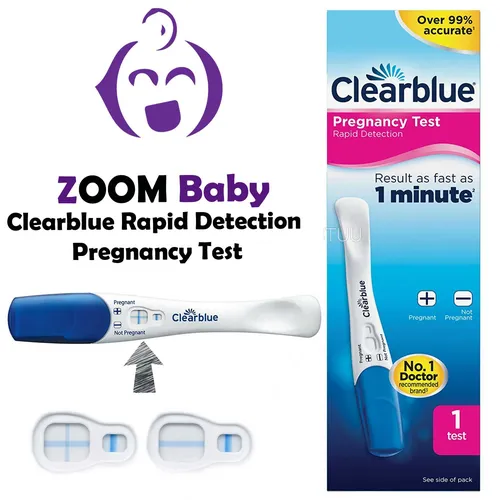
Ready to test? Choose from our range of pregnancy tests with free UK delivery. From early detection to digital tests, we stock trusted brands at great prices.
What Customers Say
“I used these ovulation tests in 2009 and conceived the first month of trying, confirmed by the free pregnancy test that came with it. I couldn’t believe the pregnancy test could be accurate as they look so flimsy compared to the expensive ones you buy in the shop – so I bought a ‘proper’ one which only confirmed what the free test had told me. We would like to try for another baby so have ordered the same tests again from Zoom. They are reasonably priced and arrived on Monday having been ordered on Friday night.”
Laura R – Verified Customer
“Thanks so much for the ovulation kits – after just one month of using them I’m now pregnant!! I took 3 out of the 4 pregnancy tests I got from you as I couldn’t believe my eyes!!! Would highly recommend these tests, they work!!”
K.L. – Verified Customer
“Amazing! I had been struggling to get pregnant for 6 months so I thought I’d track ovulation. I got pregnant the first cycle after trying these!”
Anonymous – Verified Customer
In Conclusion
Knowing when to take a pregnancy test can save you from unnecessary worry and expense. For the most reliable results, wait until the day of your missed period and test with first morning urine. Early detection tests offer the advantage of testing up to six days before your expected period, though accuracy increases the longer you wait.
If you receive a negative result but still suspect pregnancy, don’t lose hope – simply wait a few days and retest. Remember that hCG levels double every 48-72 hours in early pregnancy, so timing really does matter. Choose a test with appropriate sensitivity for your needs, follow the instructions carefully, and trust the process.
About the Author
Anthony Cunningham – Fertility Testing Expert & Editor
Anthony Cunningham, BA (Hons), MA, is a UK-based fertility testing expert and editor with over 20 years’ experience running Zoom Baby, a trusted source for accurate pregnancy, ovulation and fertility tests and testing guidance. He creates clear, evidence-based articles using NHS guidance, professional fertility resources, and conception planning best practices. Where possible, content is reviewed by fertility specialists and healthcare professionals to enhance accuracy and reliability, helping readers make informed testing decisions.
You May Also Like:
False Negative Pregnancy Tests: 5 Things That Could Be Wrong
Discover the common reasons why pregnancy tests sometimes give false negative results and what to do about it.
Am I Pregnant? – 10 Early Signs of Pregnancy
Learn to recognise the early symptoms of pregnancy before you take a test.
Are Cheap Pregnancy Tests Reliable?
Find out whether budget pregnancy tests are as accurate as expensive branded versions.
What Are the Best Early Pregnancy Tests?
Compare the most sensitive early detection pregnancy tests available in the UK.



Zoom Baby is a leading supplier of Pregnancy Tests and Ovulation Test Kits.