

About This Article
Zoom Baby has supplied pregnancy, ovulation and fertility tests to UK customers for nearly 20 years. This guide draws on our experience helping thousands of people understand fertility testing, conception planning, and how lifestyle factors like diet affect your chances of conceiving. Always consult healthcare professionals for medical advice regarding conception and pregnancy.
Published: 1 May 2024 | Last Updated: 13 Janaury 2026 | By Anthony Cunningham
Research now suggests that when a couple is trying to conceive, not only should both the male and female quit smoking and reduce their alcohol intake, they should also stop consuming soft drinks, because these sugary drinks may reduce their chances of conceiving.
A study of 3800 women and 1000 of their male partners revealed that women who had a minimum of one soft drink per day had a 25% lower monthly probability of conception, while the partners of men who consumed the same amount were 33% less likely to conceive. The study did not include diet soda or fruit juices; but interestingly, when a couple consumed energy drinks their fertility was reduced even more.
The last half of this century has seen a large increase in the amount of sugar added to the average diet, with one third of the total sugar intake coming from sugar-sweetened drinks, like soda. This overload of sugar is associated with Type 2 Diabetes and weight gain. Interestingly, consuming soft drinks has also been tied to poor semen quality and early menstruation.
So, when thinking about foods to avoid when trying to get pregnant, should soft drinks be added to the list?
In This Article:
What the Experts Say
Professor of Epidemiology, Elizabeth Hatch, said that positive associations were found between lower fertility and the intake of sugar-sweetened beverages. These results were consistent after researching other factors, including caffeine intake, obesity, smoking, alcohol, and overall diet quality. Her advice was that couples trying to conceive should consider reducing (or quitting) their consumption of these types of drinks.
A Melbourne based gynaecologist, obstetrician, infertility and IVF specialist, Doctor Joseph Sgroi, said he believed couples should not consume soft drinks while trying to conceive. His reasons were that soft drinks increase insulin levels, which might place you in a prediabetic range, thus affecting fertility. Dr Sgroi suggested drinking water, maintaining a healthy weight, regular exercise, decreasing alcohol intake, stopping smoking, and avoiding all drugs of substance in order to optimise a couple’s chances of getting pregnant.
In another study, 524 patients were tested, and it was determined that there is a link between artificial sweeteners and lower fertility rates. It was also determined that the sugar consumed in coffee and soft drinks leads to poorer quality eggs and embryos.
A leading fertility expert in Britain warned that women who are trying to conceive should never underestimate the effects that food additives can have on their ability to conceive. The NHS recommends maintaining a healthy diet and lifestyle when trying for a baby, which includes limiting sugar intake and staying well-hydrated.
Why Are Soft Drinks so Detrimental to Fertility?
Sugar
Did you know that a single can of soft drink contains approximately 10 teaspoons of sugar? This is more sugar than almost anything else you consume. Consumption of this huge amount of sugar results in fluctuations of your hormones and blood sugar. It’s also linked to poor dental health, obesity, and diabetes. So it’s probably safe to say that consuming so much sugar is going to undermine not only your general health, but also your fertility.
Aspartame
Many people concerned about the amount of sugar they were consuming stopped drinking soft drinks and switched to diet soda, but this in itself is a problem. The sweetener Aspartame is used in diet sodas, and this product has been connected to a number of health issues. When referring to fertility and pregnancy, it’s now believed that Aspartame can be linked to miscarriages and infertility.
Obesity
Any couple trying to conceive should endeavour to maintain a healthy body weight. Eating a healthy diet and maintaining a healthy weight gives a couple the best chance of conceiving, maintaining a healthy pregnancy, and producing a healthy baby. Eliminating soft drinks is possibly one of the easiest ways for an overweight or obese person to reduce excess calories and sugar. The calories you save can now be invested in nutrient-rich foods that support fertility and overall health.
Caffeine
It’s still not entirely clear what the effects of caffeine are on fertility; however, many studies suggest that an ovulation cycle can be affected by the consumption of caffeine because caffeine consumption can lead to irregular hormone levels. Many women trying to conceive either reduce or completely cut out caffeine both while trying to conceive and during their pregnancy. It’s very important to point out here that caffeine is found in many sodas, like Cola. According to the Royal College of Obstetricians and Gynaecologists, limiting caffeine intake to 200mg per day is recommended when trying to conceive.
The Impact of Soft Drinks on Male Fertility
While the effects of soft drinks on female fertility have been well-studied, their impact on male fertility is often overlooked. However, research suggests that excessive consumption of sugary beverages can have a detrimental effect on sperm quality and motility. Let’s delve into the details.
Firstly, the high sugar content in soft drinks can lead to insulin resistance and obesity, both of which are linked to decreased sperm count and motility. Additionally, the artificial sweeteners present in diet sodas, such as aspartame, have been associated with reduced sperm quality and increased DNA damage.
For instance, a study published in the journal “Fertility and Sterility” found that men who consumed more than one sugar-sweetened beverage per day had a 30% lower sperm motility compared to those who abstained from these drinks. The researchers suggested that the high levels of fructose in soft drinks may contribute to oxidative stress, which can damage sperm cells.
The Role of Hydration in Fertility
Staying hydrated is crucial for overall health, and it plays a significant role in fertility as well. Soft drinks, contrary to popular belief, can actually contribute to dehydration due to their high sugar and caffeine content. Dehydration can lead to a reduction in semen volume and sperm motility, making it more difficult for sperm to reach and fertilise the egg.
Instead of reaching for a sugary beverage, consider incorporating water-rich foods like fruits and vegetables into your diet. Adequate hydration supports the production and motility of sperm, as well as the overall reproductive health of both partners.
Alternative Beverage Options
If you’re trying to conceive, it’s best to avoid soft drinks altogether and opt for healthier alternatives. Here are some suggestions:
- Water: The simplest and most hydrating choice, water should be your go-to beverage.
- Herbal teas: Opt for unsweetened herbal teas, which are rich in antioxidants and can provide hydration without the added sugars.
- Fresh fruit juices: While fruit juices contain natural sugars, they are a better option than soft drinks when consumed in moderation.
- Milk: Low-fat or plant-based milk varieties can be a nutritious and hydrating choice.
Remember, moderation is key. Even with healthier alternatives, it’s essential to monitor your intake and maintain a balanced diet to support fertility.
Track Your Fertile Window
Whilst reducing soft drink consumption is an important step towards improving fertility, it’s equally vital to understand your body’s natural fertile window. Many couples spend months trying to conceive without realising they may be timing intercourse incorrectly.
Ovulation prediction kits detect the surge in luteinising hormone (LH) that occurs 24-36 hours before ovulation, helping you identify your most fertile days each cycle. According to NICE guidance on fertility, tracking ovulation can significantly improve conception chances, especially for couples with irregular cycles.
By combining a healthier diet free from excessive sugar and caffeine with accurate ovulation tracking, you’re giving yourself the best possible chance of conceiving. Understanding the signs of ovulation and testing at the right time can make all the difference.
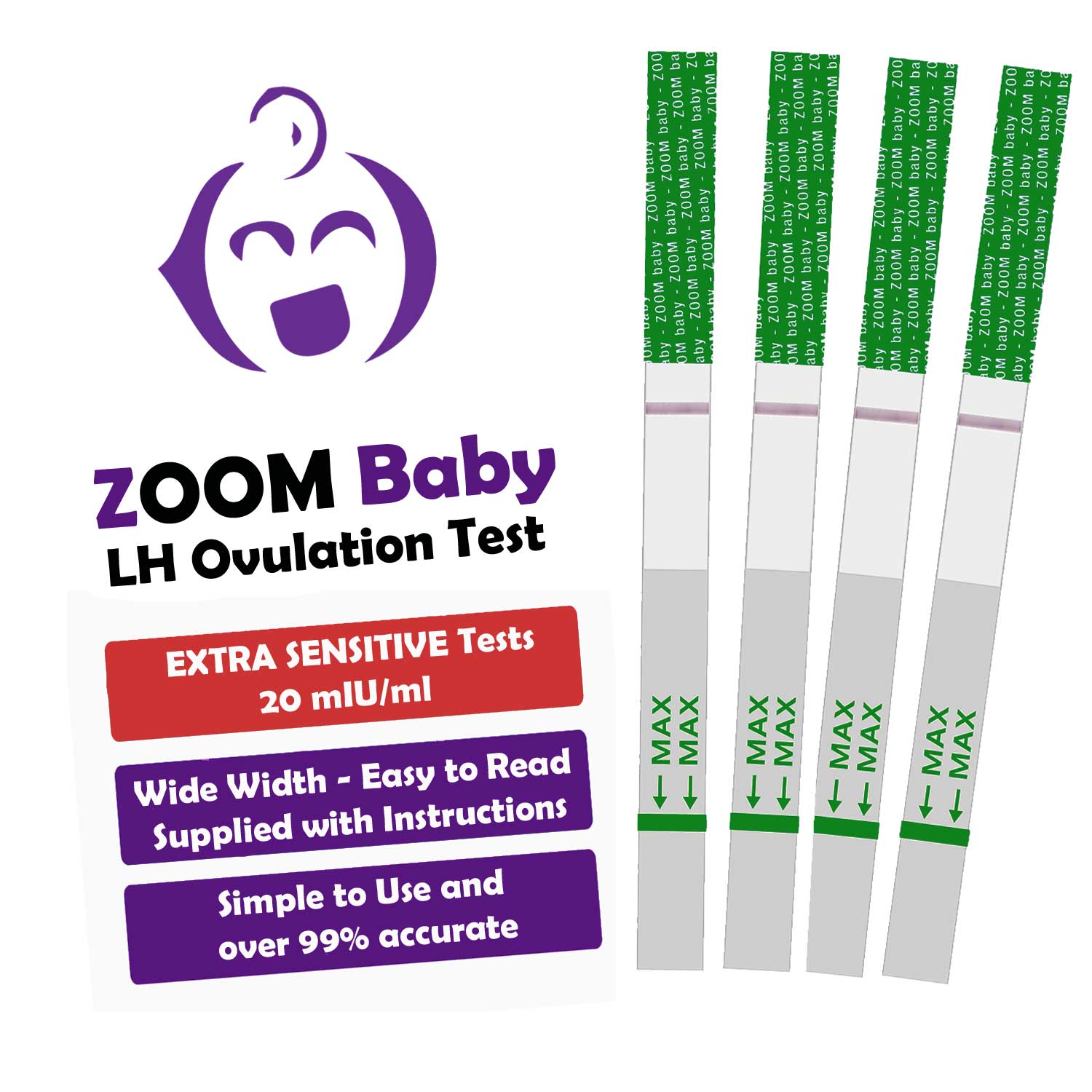
Ready to pinpoint your fertile window? Our extra-sensitive ovulation test strips detect the LH surge 24-36 hours before ovulation, giving you the best chance to conceive. Trusted by thousands of UK couples for nearly 20 years.
What Our Customers Say
“I used these ovulation tests in 2009 and conceived the first month of trying, confirmed by the free pregnancy test that came with it. I couldn’t believe the pregnancy test could be accurate as they look so flimsy compared to the expensive ones you buy in the shop – so I bought a ‘proper’ one which only confirmed what the free test had told me. We would like to try for another baby so have ordered the same tests again from Zoom. They are reasonably priced and arrived on Monday having been ordered on Friday night. My one tip is to ensure you follow the instructions carefully and accurately for best results.”
— Laura R.
“We had been trying for our second child for 10 months. I had never tried Ovulation Kits before I came across Zoom Baby. The very first time we tried wham bang We’re pregnant!! I wish I had tried them earlier, it would have saved all the months of waiting. BIG TIP – Read every bit of the instruction leaflet!!!”
— E.G.
“Amazing! I had been struggling to get pregnant for 6 months so I thought I’d track ovulation. I got pregnant the first cycle after trying these!”
— Anonymous
In Conclusion
The evidence is clear: soft drinks can negatively impact fertility for both men and women. From the detrimental effects of excessive sugar and artificial sweeteners to the impact on hormone levels and sperm quality, these beverages offer no benefits for couples trying to conceive.
By making simple lifestyle changes such as eliminating soft drinks, staying well-hydrated with water and healthier alternatives, and tracking your fertile window with ovulation tests, you can significantly improve your chances of conception. Remember, every positive change you make brings you one step closer to achieving your goal of starting or growing your family.
Photo credit: “Soda” by Anthony Cunningham for Zoom Baby
About the Author
Anthony Cunningham – Fertility Testing Expert & Editor
Anthony Cunningham, BA (Hons), MA, is a UK-based fertility testing expert and editor with over 20 years’ experience running Zoom Baby, a trusted source for accurate pregnancy, ovulation and fertility tests and testing guidance. He creates clear, evidence-based articles using NHS guidance, professional fertility resources, and conception planning best practices. Where possible, content is reviewed by fertility specialists and healthcare professionals to enhance accuracy and reliability, helping readers make informed testing decisions.
You May Also Like:
7 Simple Ways to Improve Your Fertility
Discover practical, evidence-based lifestyle changes that can naturally boost your fertility and improve your chances of conception.
Using Ovulation Prediction Kits
Learn how to use ovulation tests effectively to identify your fertile window and maximise your chances of getting pregnant.
Foods to Avoid When Trying to Get Pregnant
Understand which foods and drinks may harm your fertility and what to eat instead to support conception.
What Are the Signs of Ovulation?
Recognise the physical signs that indicate you’re ovulating and learn how to use them alongside ovulation tests.



Zoom Baby is a leading supplier of Pregnancy Tests and Ovulation Test Kits.