

About This Article: Zoom Baby has supplied pregnancy, ovulation and fertility tests to UK customers for nearly 20 years. This guide draws on our experience helping thousands of people understand ovulation timing, conception planning, and fertility tracking. Always consult healthcare professionals for medical advice regarding conception and pregnancy.
Published: November 10, 2017 | Last Updated: January 31, 2026 | By Anthony Cunningham
How Long Do You Ovulate For?
Understanding ovulation is one of the most important steps when trying to conceive. Many people wonder exactly how long ovulation lasts and when they should time intercourse for the best chance of pregnancy. This complete guide explains the ovulation process, how to track your fertile window, and evidence-based methods to maximise your chances of conception.
In This Guide:
- How Your Ovulation Cycle Is Related To Pregnancy
- Understanding the Ovulation Window vs. Fertile Window
- How Do You Know When You Will Ovulate?
- Methods for Tracking Ovulation
- Other Signs Of Ovulation
- Why Tracking Ovulation Is Important
- Increasing Chances Without Tracking
- When to Seek Medical Advice
- Common Ovulation Myths Debunked
How Your Ovulation Cycle Is Related To Pregnancy
Ovulation occurs once a month when your ovary releases an egg into your fallopian tube. This egg will live for up to 24 hours in your fallopian tube and will need to come in contact with sperm during this time-frame in order for you to become pregnant.
While 24 hours is a small window of time, there is good news. Your partner’s sperm can live for up to 7 days after intercourse. This means that his sperm could already be in your fallopian tube waiting for ovulation to occur and your egg to be released. Having intercourse even 5-6 days prior to ovulation increases your odds of getting pregnant.
Key Point: Although the egg only survives for 12-24 hours after release, sperm can survive up to 7 days in the female reproductive tract. This creates a fertile window of approximately 6-7 days each cycle.
Understanding the Ovulation Window vs. Fertile Window
Many people confuse the ovulation window with the fertile window, but these are two different concepts:
The Ovulation Window
The actual ovulation event is quite brief. Once released from the ovary, the egg remains viable for approximately 12-24 hours. This is your ovulation window. According to the NHS, the egg must be fertilised during this short period for conception to occur.
The Fertile Window
Your fertile window is longer than the ovulation window itself. It includes the 5-6 days leading up to ovulation, plus the day of ovulation. This extended timeframe exists because sperm can survive in the female reproductive tract for several days, waiting for the egg to be released. Research published by the Royal College of Obstetricians and Gynaecologists confirms that intercourse during this fertile window significantly increases conception chances.
How Do You Know When You Will Ovulate?
Some women have cycles that are right on schedule every month, but how do you know when you are ovulating? Understanding your unique cycle pattern is essential for timing intercourse effectively. There are lots of methods of tracking and predicting ovulation:
Methods for Tracking Ovulation
Chart Your Basal Body Temperature
Your Basal Body Temperature is a resting temperature that you read each morning before getting out of bed. If you track your BBT for a few months it will help you to detect the small raise in your temperature that occurs right after ovulation. This method requires consistency and patience, but many women find it helpful when combined with other tracking methods. Learn more about basal body temperature and ovulation tracking.
Use Ovulation Predictor Kits
An Ovulation Predictor Kit is similar to a pregnancy test, but instead helps you measure the increased levels of Luteinising hormone (LH) in your urine that occurs approximately 36 hours prior to ovulation. These tests are highly accurate and provide advance warning, allowing you to plan intercourse at the optimal time. The NHS recommends ovulation prediction kits as one of the most reliable methods for identifying your fertile window.
Record Cervical Mucus
Your cervical mucus is a substance your body naturally produces to aid sperm in travelling throughout your vagina and ideally into your fallopian tubes. When you are ovulating your body will produce more cervical mucus and the mucus will become the consistency of egg whites. By recording the consistency of your cervical mucus it will help you determine when the best time to conceive is. This natural body awareness technique costs nothing and can be very effective once you learn to recognise the changes.
Use A Saliva Fertility Monitor
A saliva fertility monitor is designed to measure the oestrogen in your saliva. When oestrogen is present in your saliva you are getting close to ovulation. We recommend the Maybe Baby Saliva Fertility Monitor. You may also want to read our post on how to use the Maybe Baby Saliva Fertility Tester.
Use A Fertility App On Your Smartphone
There are a number of fertility apps on the market which can help you to predict ovulation and periods. A few of the best used apps include:
- Groove – this is a lovely app that you can download on Apple iPhone and Android devices. The app will help you to predict your upcoming periods, based on advanced algorithms. This can help you to predict your fertile times as you get to learn the patterns of your cycle.
- Clue – another period and health tracker for most devices. This app helps you to keep tabs on all aspects of your fitness and health. It can also send you personalised reminders that update you on PMS, your period, fertility and ovulation.
- My Cycles – this Android only app will help you track the beginning of your cycle, your period, fertile window and will predict your day of ovulation.
You can use a combination of these tracking methods to predict ovulation or just rely on one procedure that works best for you.
Other Signs Of Ovulation
In addition to the methods mentioned above, there are a few other signs that can indicate you are ovulating:
- Increased sex drive: Many women feel more “in the mood” during their fertile window due to hormonal changes.
- Breast tenderness: Some women experience tender breasts around the time of ovulation.
- Ovulation pain: About 20% of women feel a slight twinge of pain when an egg is released from the ovary. This is known as mittelschmerz.
- Light spotting: A small amount of spotting may occur when the egg is released.
- Heightened sense of smell: Some women report enhanced smell sensitivity during ovulation.
Paying attention to these subtle signs, along with tracking your cycle, can help you zero in on your most fertile time. If you’re experiencing unusual symptoms, our guide on early signs of pregnancy may also be helpful.
Why Tracking Ovulation Is Important
Tracking your ovulation cycle is crucial if you are trying to conceive. It allows you to pinpoint your most fertile days each month, so you can time intercourse accordingly and maximise your chances of getting pregnant. While it’s possible to get pregnant without tracking ovulation, doing so significantly improves your odds.
According to Fertility Network UK, understanding your fertile window helps reduce the time it takes to conceive and provides valuable information about your reproductive health. Tracking can also alert you to potential issues such as irregular cycles or absent ovulation that may require medical attention.
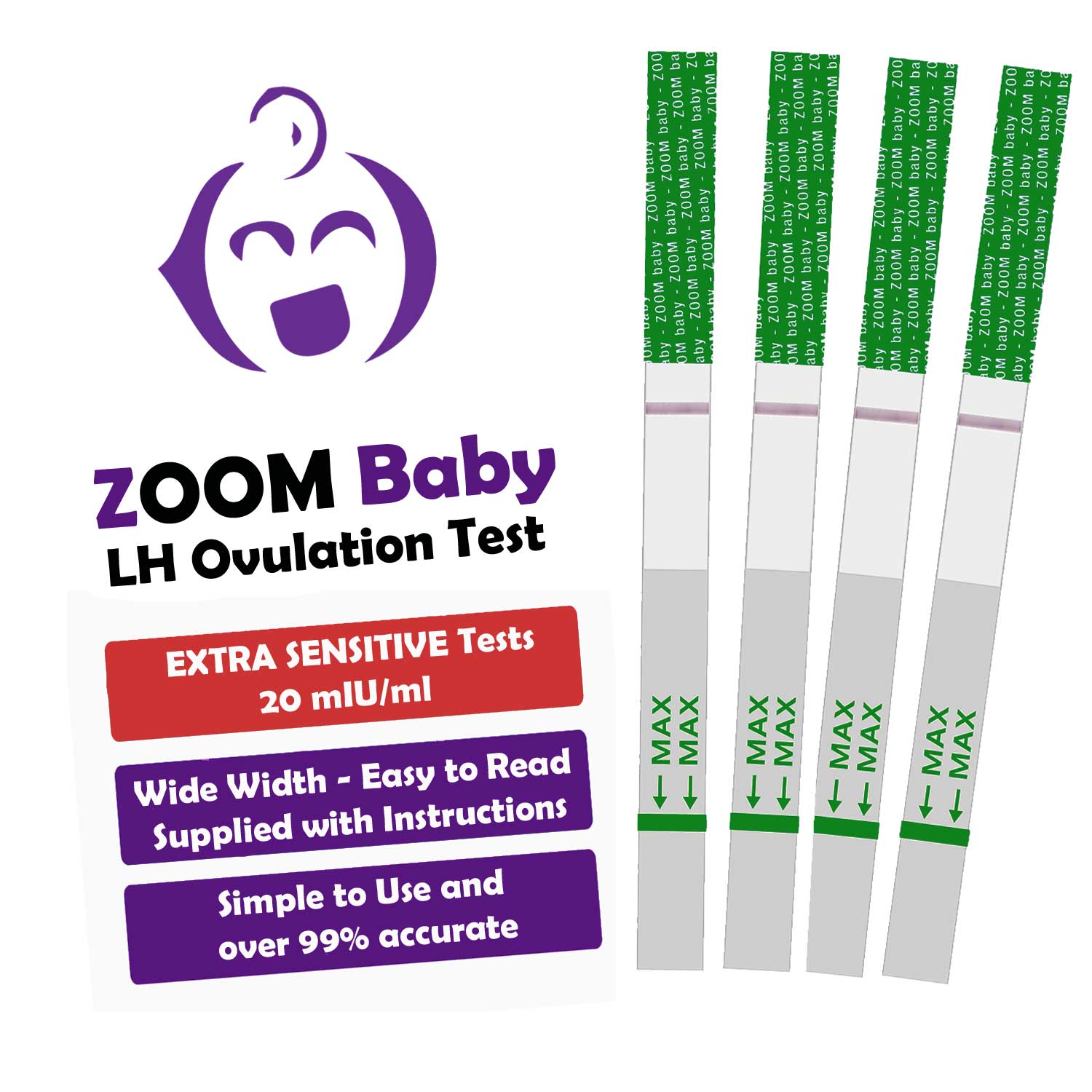
Ready to track your ovulation? Our extra-sensitive ovulation test strips detect the LH surge 24-36 hours before ovulation, giving you advance warning of your most fertile days. Trusted by thousands of UK customers for nearly 20 years.
What Customers Say
“I used these ovulation tests in 2009 and conceived the first month of trying, confirmed by the free pregnancy test that came with it. I couldn’t believe the pregnancy test could be accurate as they look so flimsy compared to the expensive ones you buy in the shop – so I bought a ‘proper’ one which only confirmed what the free test had told me. We would like to try for another baby so have ordered the same tests again from Zoom. They are reasonably priced and arrived on Monday having been ordered on Friday night. My one tip is to ensure you follow the instructions carefully and accurately for best results.”
– Laura R.
“Amazing! I had been struggling to get pregnant for 6 months so I thought I’d track ovulation. I got pregnant the first cycle after trying these!”
– Georgia F.
“We had been trying for our second child for 10 months. I had never tried Ovulation Kits before I came across Zoom Baby. The very first time we tried wham bang We’re pregnant!! I wish I had tried them earlier, it would have saved all the months of waiting. BIG TIP – Read every bit of the instruction leaflet!!!”
– E.G.
Are There Any Ways To Increase The Chances Of Pregnancy Without Tracking?
Yes, there are ways to increase your odds of getting pregnant without tracking. Since sperm can live for up to 7 days inside your body increase your frequency of intercourse to every 2-3 days. This will ensure that sperm is present, but cannot ensure conception.
Every woman’s body is different, but 80% fertile couples under the age of 40 will successfully conceive within their first year of trying and a 90% within two years of trying. A fertile couple in this age range has a 20-25 percent chance of getting pregnant each ovulation cycle.
When to Seek Medical Advice
While most couples will conceive naturally within a year, there are times when it’s appropriate to seek medical advice earlier. The NHS recommends seeing your GP if:
- You’ve been trying to conceive for over a year (if you’re under 35)
- You’ve been trying for 6 months or more (if you’re over 35)
- You have irregular or absent periods
- You have a history of pelvic inflammatory disease or endometriosis
- Your partner has a known fertility issue
- You experience pain during intercourse
Early investigation can help identify any underlying issues and provide appropriate support. If you’ve had a negative pregnancy test but your period is late, read our article on what to do when your pregnancy test is negative but your period is late.
Common Ovulation Myths Debunked
Myth 1: Everyone Ovulates on Day 14
This is one of the most common misconceptions about ovulation. While the average menstrual cycle is 28 days with ovulation occurring around day 14, many women have shorter or longer cycles. Ovulation typically occurs 12-16 days before your next period, regardless of cycle length. This is why tracking your individual cycle pattern is so important.
Myth 2: You Can Get Pregnant Any Day of Your Cycle
Whilst sperm can survive for several days, you can only become pregnant during your fertile window – the 5-6 days leading up to ovulation and the day of ovulation itself. Understanding this window is key to conception success.
Myth 3: Ovulation Pain Always Means You’re Ovulating
While some women do experience mittelschmerz (ovulation pain), not everyone does. Additionally, other conditions can cause mid-cycle pain. It’s best to use ovulation pain as one indicator amongst several, rather than relying on it alone.
Myth 4: You Need Expensive Tests to Track Ovulation
High-quality ovulation tests don’t need to be expensive. Our affordable ovulation tests are just as accurate as premium brands, as they detect the same LH hormone surge. What matters most is consistent use and following the instructions carefully.
In Conclusion
Understanding how long ovulation lasts and when it occurs in your cycle is fundamental to conception success. While the egg itself only remains viable for 12-24 hours, your fertile window extends to approximately 6-7 days each cycle when accounting for sperm survival.
Whether you choose to track ovulation through predictor kits, BBT charting, cervical mucus monitoring, or a combination of methods, the key is consistency and understanding your unique cycle pattern. For most couples, tracking ovulation significantly reduces the time it takes to conceive.
Remember, conception is a natural process that takes time. If you have concerns about your fertility or have been trying for an extended period, don’t hesitate to consult your GP or a fertility specialist for personalised advice and support.
About the Author
Anthony Cunningham – Fertility Testing Expert & Editor
Anthony Cunningham, BA (Hons), MA, is a UK-based fertility testing expert and editor with over 20 years’ experience running Zoom Baby, a trusted source for accurate pregnancy, ovulation and fertility tests and testing guidance. He creates clear, evidence-based articles using NHS guidance, professional fertility resources, and conception planning best practices. Where possible, content is reviewed by fertility specialists and healthcare professionals to enhance accuracy and reliability, helping readers make informed testing decisions.
You May Also Like:
Cervical Mucus and Your Most Fertile Days
Learn how to identify fertile cervical mucus and use this natural sign to pinpoint your most fertile days each cycle.
Basal Body Temperature and Ovulation
Discover how tracking your basal body temperature can help you confirm ovulation and understand your menstrual cycle patterns.
Am I Pregnant? – 10 Early Signs of Pregnancy
Recognise the earliest signs of pregnancy and learn when to take a pregnancy test for the most accurate results.
Are Cheap Ovulation Tests Accurate?
Find out whether budget-friendly ovulation tests are just as reliable as expensive brands and how to choose the right test for you.


Zoom Baby is a leading supplier of Pregnancy Tests and Ovulation Test Kits.