

About This Article
Zoom Baby has supplied pregnancy, ovulation and fertility tests to UK customers for nearly 20 years. This guide draws on our experience helping thousands of people understand pregnancy test timing, hCG detection, and early testing accuracy. Always consult healthcare professionals for medical advice regarding conception and pregnancy.
Published: June 15, 2023 | Last Updated: June 15, 2023 | By Anthony Cunningham
If you’re planning to take a Clearblue pregnancy test, you may be wondering whether first morning urine makes a difference to your results. This is one of the most common questions we receive from customers trying to conceive, and the answer isn’t as straightforward as simply “yes” or “no.”
First morning urine contains the highest concentration of pregnancy hormone (hCG), which can be particularly important for early testing. However, modern pregnancy tests like Clearblue have become increasingly sensitive, meaning the timing of your test may matter less than you think—depending on which test you’re using and how early you’re testing.
In this guide, we’ll explore when first morning urine matters most, how different Clearblue tests compare, and what you need to know to get the most accurate results possible.
Contents
What Is First Morning Urine?
First morning urine (FMU) refers to the urine sample you collect when you first wake up, before drinking any fluids. This sample is particularly valuable for pregnancy testing because it represents urine that has been concentrating in your bladder overnight, typically for 6-8 hours.
During this time without fluid intake, your kidneys continue producing urine that contains pregnancy hormone (human chorionic gonadotropin, or hCG), but because you haven’t been drinking water, the hormone isn’t diluted. This means first morning urine contains the highest concentration of hCG compared to any other time of day.
According to NHS guidance on pregnancy testing, using first morning urine can help detect pregnancy earlier, particularly if you’re testing before your missed period.
About Clearblue Pregnancy Tests
Clearblue is a company that specialises in producing pregnancy tests and has become one of the most trusted brands worldwide since its founding in 1985. The company’s mission is to provide accurate and reliable pregnancy tests to women who want to know if they are pregnant.
Clearblue offers various types of pregnancy tests, including digital tests, early detection tests, and rapid detection tests. The company was the first to produce a digital pregnancy test, which has been a popular choice for women who want a clear and easy-to-read result without interpreting faint lines.
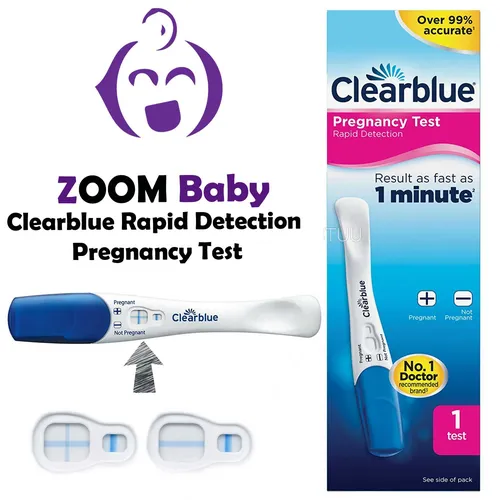
The Clearblue Rapid Detection Pregnancy Test can detect pregnancy up to 6 days before your missed period. This test is over 99% accurate from the day of your expected period and provides results in just 3 minutes. The Clearblue Early Detection Pregnancy Test offers similar early detection capabilities with over 99% accuracy.
Understanding hCG Levels Throughout the Day
Human chorionic gonadotropin (hCG) is produced by the placenta after a fertilised egg has implanted in the uterus. This hormone doubles approximately every 48-72 hours in early pregnancy, which is why timing your pregnancy test correctly matters so much.
Your hCG concentration in urine varies throughout the day based on your fluid intake. When you drink water, tea, or other beverages, you dilute your urine, which means the hCG concentration decreases even though the total amount of hCG in your body remains the same. This is why first morning urine is most concentrated—you haven’t consumed any fluids for several hours.
Research shows that hCG concentrations in first morning urine can be 2-3 times higher than samples taken later in the day, particularly in very early pregnancy when levels are still relatively low. This difference becomes less significant as pregnancy progresses and hCG levels rise substantially.
Why Concentration Matters for Early Testing
If you’re testing before your missed period—sometimes called early pregnancy testing—your hCG levels might still be quite low. At this stage, using first morning urine significantly increases your chances of detecting pregnancy because you’re giving the test the best possible sample to work with.
However, once you’ve reached or passed your expected period, hCG levels typically rise high enough that the difference between first morning urine and other samples becomes minimal for detection purposes.
When You Should Use First Morning Urine
If you’re taking a Clearblue pregnancy test, using first morning urine is most important in these situations:
Use First Morning Urine When:
- Testing before your missed period – Early testing requires maximum hCG concentration for accurate detection
- Using the Clearblue Pregnancy Test with Weeks Indicator – This test estimates conception timing, which requires concentrated urine for accuracy
- You’ve had a previous negative result – If you’re retesting after a negative, FMU gives you the best chance of detecting rising hCG levels
- Testing at the earliest possible time – When testing 5-6 days before your expected period, FMU is essential
If you’re using the Clearblue Pregnancy Test with Weeks Indicator, we always recommend that you use your first urine of the day. This digital test not only tells you if you’re pregnant but also estimates how many weeks since conception (1-2 weeks, 2-3 weeks, or 3+ weeks). For this feature to work accurately, it needs to measure your hCG concentration precisely, which is why first morning urine is essential.
Testing Later in the Day: What You Need to Know
Generally, you don’t need to use first morning urine to take a Clearblue pregnancy test if you’re testing from the day of your missed period onwards. While first morning urine remains the most reliable method for getting an accurate result, you can collect urine later in the day or night and still get accurate results.
According to NHS pregnancy guidance, most pregnancy tests are accurate from the first day of a missed period, regardless of the time of day you test.
Tips for Testing Later in the Day
If you need to test later in the day, here are some strategies to improve accuracy:
- Hold your urine for at least 4 hours – This allows concentration to build up, similar to overnight
- Limit fluid intake beforehand – Avoid drinking large amounts of water in the hours before testing
- Wait until after your missed period if possible – At this point, hCG levels are typically high enough that timing matters less
- Consider retesting with FMU if you get an unexpected result – This can help confirm or clarify unclear results
It’s important to keep in mind that while the concentration of hCG hormone may be lower when testing later in the day, the result should still be accurate if you’re genuinely pregnant and testing from the day of your missed period. However, if you’re concerned about false negative pregnancy tests, using first morning urine eliminates one potential variable.
Different Clearblue Tests and Their Sensitivity Levels
Not all Clearblue pregnancy tests have the same sensitivity level. Understanding these differences can help you decide whether first morning urine is essential for your specific test.
Clearblue Early Detection
The Clearblue Early Detection test is designed to detect hCG levels as low as 10 mIU/ml, making it one of the most sensitive pregnancy tests available. This test can detect pregnancy up to 6 days before your missed period. When testing this early, first morning urine is strongly recommended because hCG levels are still very low and every bit of concentration matters.
Clearblue Rapid Detection
The Clearblue Rapid Detection test typically detects hCG at around 25 mIU/ml. While still very sensitive, this test works best from about 1-2 days before your expected period. First morning urine improves accuracy when testing before your period, but becomes less critical once you’ve reached your expected period date.
Clearblue Digital with Weeks Indicator
This test not only detects pregnancy but estimates how far along you are. Because it needs to measure hCG concentration accurately (not just detect its presence), first morning urine is essential for reliable weeks estimation. The test measures hCG levels to categorise pregnancy as 1-2 weeks, 2-3 weeks, or 3+ weeks since conception.
Quick Summary: The more sensitive your test and the earlier you’re testing, the more important first morning urine becomes. For early pregnancy tests used before your missed period, always use first morning urine. For tests taken on or after your missed period, any time of day typically works well.
Common Questions About Pregnancy Test Timing
Can I test with Clearblue at any time of day?
Yes, you can test at any time of day from the day of your expected period onwards. However, first morning urine provides the most concentrated sample and eliminates variables that could affect early detection.
What if I accidentally drank water before using first morning urine?
If you’ve consumed fluids before testing, your urine will be somewhat diluted. If you’re testing before your missed period, this could potentially affect results. Wait to test again the following morning with true first morning urine, or wait a day or two to allow hCG levels to rise further.
How early can I test without using first morning urine?
We don’t recommend testing before your missed period without using first morning urine. The risk of false negatives increases significantly when you combine early testing with diluted urine. For the best accuracy when testing early, always use your first urine of the day.
If I get a negative result with afternoon urine, should I retest?
If you’re experiencing early signs of pregnancy but received a negative result with afternoon or evening urine, we recommend waiting 2-3 days and testing again with first morning urine. This allows hCG levels to rise and provides the best possible testing conditions.
Does the time of day affect digital test accuracy?
Digital tests like Clearblue Digital are just as sensitive to hCG concentration as traditional line tests. The digital display makes results easier to read, but it doesn’t compensate for diluted urine. When using any digital pregnancy test, first morning urine provides the most reliable results, particularly for early testing or weeks estimation features.
In Conclusion
While first morning urine provides the most concentrated sample and gives you the best chance of detecting pregnancy early, it’s not always required for Clearblue pregnancy tests. The importance of using FMU depends on three main factors: how early you’re testing, which Clearblue test you’re using, and whether you need accurate weeks estimation.
For early testing before your missed period, always use first morning urine. For testing from the day of your expected period onwards, you can test at any time, though first morning urine remains the most reliable option. And if you’re using the Clearblue Digital test with Weeks Indicator, first morning urine is essential for accurate conception dating.
Remember, if you receive an unexpected result or if you’re concerned about pregnancy test accuracy, don’t hesitate to retest with first morning urine or consult your healthcare provider for a blood test, which can detect even lower levels of hCG than urine tests.
Ready to Test? Shop our range of pregnancy tests with free UK delivery. We stock Clearblue, One Step, and own-brand tests to suit every budget and testing timeline.
What Customers Say
“I couldn’t believe the pregnancy test could be accurate as they look so flimsy compared to the expensive ones you buy in the shop – so I bought a ‘proper’ one which only confirmed what the free test had told me. We would like to try for another baby so have ordered the same tests again from Zoom. They are reasonably priced and arrived on Monday having been ordered on Friday night.”
– Laura R.
“Thanks so much for the ovulation kits – after just one month of using them I’m now pregnant!! I took 3 out of the 4 pregnancy tests I got from you as I couldn’t believe my eyes!!! Would highly recommend these tests, they work!!”
– K.L.
About the Author
Anthony Cunningham – Fertility Testing Expert & Editor
Anthony Cunningham, BA (Hons), MA, is a UK-based fertility testing expert and editor with over 20 years’ experience running Zoom Baby, a trusted source for accurate pregnancy, ovulation and fertility tests and testing guidance. He creates clear, evidence-based articles using NHS guidance, professional fertility resources, and conception planning best practices. Where possible, content is reviewed by fertility specialists and healthcare professionals to enhance accuracy and reliability, helping readers make informed testing decisions.
You May Also Like:
When Is the Best Time to Take a Pregnancy Test?
Discover the optimal timing for pregnancy testing to get the most accurate results, including guidance on early testing and waiting periods.
What Are the Best Early Pregnancy Tests?
Compare the most sensitive early pregnancy tests available and learn which tests can detect pregnancy earliest before your missed period.
False Negative Pregnancy Tests: 5 Things That Could Be Wrong
Understand why pregnancy tests sometimes show negative results when you’re actually pregnant and what to do if you suspect a false negative.
Am I Pregnant? – 10 Early Signs of Pregnancy
Learn to recognise the earliest signs and symptoms of pregnancy, from implantation bleeding to fatigue and morning sickness.




Zoom Baby is a leading supplier of Pregnancy Tests and Ovulation Test Kits.