
About This Article
Zoom Baby has supplied pregnancy, ovulation and fertility tests to UK customers for nearly 20 years. This guide draws on our experience helping thousands of people understand ovulation testing, LH surge detection, and fertility tracking. Always consult healthcare professionals for medical advice regarding conception and pregnancy.
Published: December 2022 | Last Updated: November 2025 | By Anthony Cunningham
The Clearblue Ovulation Test is a popular and effective tool used to help track a woman’s fertility and determine her most fertile days. It works by monitoring levels of luteinising hormone (LH), which peaks just prior to ovulation. The test provides a convenient, simple, and reliable way to determine when a woman is most likely to conceive.
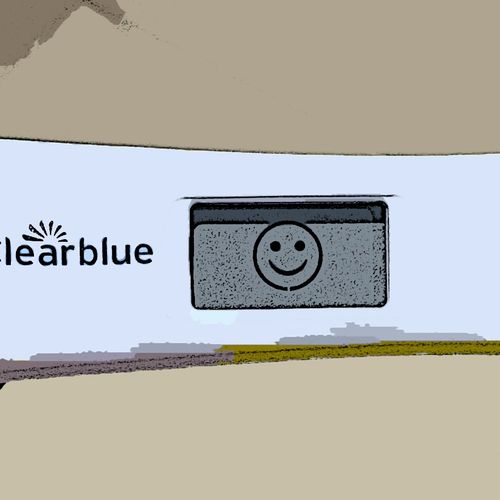
But what does a smiley face on a Clearblue Ovulation Test mean? A smiley face on a Clearblue Ovulation Test means that you are most likely in your fertile window and could be ovulating soon. This means that your LH levels have reached a peak, indicating that you are likely to ovulate within the next 12 to 24 hours. This is the time when you are most likely to conceive.
In This Article:
Understanding the Smiley Face Symbol
The smiley face icon on a Clearblue Digital Ovulation Test is your indicator of peak fertility. When the test detects a surge in luteinising hormone (LH), the display shows a clear smiley face, signalling that your body is preparing to release an egg. According to the NHS guidance on getting pregnant, this LH surge typically occurs 24 to 36 hours before ovulation.
The digital format removes the guesswork that comes with traditional line tests. Rather than trying to compare line darkness or intensity, you simply see either an empty circle (negative result) or a smiley face (positive result). This makes Clearblue tests particularly helpful for those who find ovulation prediction kits with lines difficult to interpret.
How to Use the Test Correctly
When using a Clearblue Ovulation Test, it’s important to read the instructions carefully and use the test properly to obtain an accurate result. You should test at the same time each day to maintain consistency in your hormone level readings. Many women find testing in the afternoon or early evening works best, as LH typically surges during these hours.
For optimal results, avoid using first morning urine with Clearblue tests. Unlike pregnancy tests, which work best with concentrated morning urine, ovulation tests perform better with urine collected later in the day. Try to reduce your liquid intake for about two hours before testing to ensure the hormone concentration is adequate for detection.
Key Testing Tips
- Test at the same time each day (afternoon or early evening works best)
- Avoid first morning urine for ovulation tests
- Reduce fluid intake for 2 hours before testing
- Wait the full 3 minutes before reading your result
- Start testing a few days before you expect to ovulate
When to Take Your Test
Timing is crucial when using ovulation tests. The Royal College of Obstetricians and Gynaecologists recommends understanding your menstrual cycle length to determine when to begin testing. If you have a regular 28-day cycle, start testing around day 11. For longer or shorter cycles, subtract 17 days from your average cycle length to find your ideal starting day.
For women with irregular cycles, this can be more challenging. You may need to use more tests throughout the month or look for additional signs of ovulation such as changes in cervical mucus or basal body temperature to help narrow down your fertile window. Many women find it helpful to track their cycles over several months to identify patterns before starting to use ovulation tests.
How Accurate Is the Smiley Face Result?
It’s important to note that a smiley face doesn’t guarantee ovulation will occur, but it does indicate that an ovulatory surge of LH is likely to have occurred. The Clearblue Digital Ovulation Test is over 99% accurate at detecting the LH surge when used according to instructions. However, several factors can affect test accuracy and hormone levels.
Certain medications, particularly those containing hCG or LH, can interfere with results. Medical conditions such as polycystic ovary syndrome (PCOS) can cause elevated LH levels throughout the cycle, potentially leading to false positives. If you have PCOS or another hormonal condition, discuss ovulation tracking methods with your GP or fertility specialist. The Fertility Family charity provides additional support and information for those with fertility concerns.
Remember that detecting the LH surge tells you ovulation is likely approaching, but it doesn’t confirm that an egg was actually released. If your test results are unclear or inconsistent over several cycles, it’s important to speak with a healthcare professional who can help identify any underlying issues.
What If You Don’t See a Smiley Face?
Not detecting a smiley face doesn’t necessarily mean you’re not ovulating. There are several reasons why you might not see a positive result, even if ovulation is occurring. You may have started testing too late in your cycle and missed the LH surge, which can happen in as little as 12 hours. Alternatively, you might have an LH surge that’s lower than the test’s detection threshold, though this is less common.
If you consistently don’t see a smiley face over multiple cycles, consider these steps:
- Start testing earlier in your cycle
- Test twice daily (morning and afternoon) during your expected fertile window
- Keep a fertility diary to track patterns over several months
- Combine ovulation tests with other fertility awareness methods
- Speak with your GP if you’ve been trying to conceive for over a year (or six months if you’re over 35)
Other Methods to Track Ovulation
In addition to using a Clearblue Ovulation Test to determine your fertile window and increase your chances of conceiving, there are other methods you can use to track your ovulation. These methods work well alongside ovulation tests to give you a more complete picture of your fertility.
Monitoring your basal body temperature involves taking your temperature first thing each morning before getting out of bed. After ovulation, your temperature typically rises by 0.3 to 0.5 degrees Celsius and stays elevated until your next period. While this method confirms ovulation has occurred rather than predicting it, the data can help you understand your cycle patterns.
Tracking cervical mucus changes is another valuable fertility sign. As you approach ovulation, cervical mucus becomes clearer, stretchier, and more abundant—often described as having an “egg white” consistency. This fertile-quality mucus helps sperm travel through the cervix and survive longer in the reproductive tract.
What to Do After a Positive Result
If you get a smiley face on your Clearblue Ovulation Test, this indicates your peak fertility. The two days after a positive result offer your best chance of conception. According to NHS guidance, having regular intercourse (every two to three days) throughout your cycle gives you the best chance of pregnancy, but the days immediately following a positive ovulation test are particularly important.
It’s important to keep in mind that you still may not conceive immediately, as many factors influence conception. Additionally, it’s important to remember that other factors affecting fertility, such as a healthy diet, regular exercise, and managing stress levels, can also affect your chances of conceiving. Therefore, it’s important to take a holistic approach to optimising your fertility, and the Clearblue Ovulation Test can be a helpful tool in determining when you are most likely to conceive.
Most couples conceive within a year of trying, but if you’ve been actively trying for several months without success (12 months if under 35, or 6 months if over 35), it may be worth speaking with your healthcare provider. They can help determine if there are any underlying issues that may be affecting your fertility and recommend appropriate treatment options. The NHS provides comprehensive fertility services and can refer you to specialists if needed.
Ready to Track Your Ovulation? Zoom Baby offers reliable, affordable ovulation and pregnancy tests with fast, discreet UK delivery. Browse our full range of fertility testing products to find the right option for your journey to conception.
What Customers Say
“We had been trying for our second child for 10 months. I had never tried Ovulation Kits before I came across Zoom Baby. The very first time we tried wham bang we’re pregnant! I wish I had tried them earlier, it would have saved all the months of waiting. BIG TIP – Read every bit of the instruction leaflet!”
— E.G.
“Thanks so much for the ovulation kits – after just one month of using them I’m now pregnant! I took 3 out of the 4 pregnancy tests I got from you as I couldn’t believe my eyes! Would highly recommend these tests, they work!”
— K.L.
“I bought some cheap ovulation tests on eBay and then I bought these. The Zoom Baby ones are much better. The test strip is wider which does make them easier to read. I managed to get a positive this month, so fingers crossed!”
— Kat
In Conclusion
To sum up, a smiley face on a Clearblue Ovulation Test indicates that you are likely in your fertile window and could be ovulating soon. This positive result means your LH levels have surged, signalling that ovulation is approaching within the next 12 to 24 hours. By using this test alongside other methods of ovulation tracking—such as monitoring basal body temperature and cervical mucus—and maintaining a healthy lifestyle, you can increase your chances of conceiving and starting your journey toward parenthood.
Remember that conception is a process that takes time for many couples. If you have concerns about your fertility or have been trying to conceive without success, don’t hesitate to reach out to your GP or a fertility specialist. They can provide personalised guidance and support tailored to your individual circumstances.
About the Author
Anthony Cunningham – Fertility Testing Expert & Editor
Anthony Cunningham, BA (Hons), MA, is a UK-based fertility testing expert and editor with over 20 years’ experience running Zoom Baby, a trusted source for accurate pregnancy, ovulation and fertility tests and testing guidance. He creates clear, evidence-based articles using NHS guidance, professional fertility resources, and conception planning best practices. Where possible, content is reviewed by fertility specialists and healthcare professionals to enhance accuracy and reliability, helping readers make informed testing decisions.
You May Also Like:
Using Ovulation Prediction Kits
A comprehensive guide to using ovulation tests effectively, including timing, accuracy, and how to interpret results for maximum conception chances.
What Are the Signs of Ovulation?
Learn to recognise the physical signs your body gives when ovulation is approaching, from cervical mucus changes to ovulation pain and temperature shifts.
When Can You Get Pregnant?
Understanding your fertile window is crucial for conception. Discover when you’re most likely to get pregnant during your menstrual cycle.
Late Ovulation: A Simple Guide
If you’re ovulating later than expected, you’re not alone. Learn about the causes of late ovulation and how it affects your fertility and conception timing.



Zoom Baby is a leading supplier of Pregnancy Tests and Ovulation Test Kits.