
About This Article
Zoom Baby has supplied pregnancy, ovulation and fertility tests to UK customers for nearly 20 years. This guide draws on our experience helping thousands of people understand fertility nutrition, conception planning, and dietary approaches to getting pregnant. Always consult healthcare professionals for medical advice regarding conception and pregnancy.
Published: 2022 | Last Updated: December 2024 | By Anthony Cunningham
Getting pregnant can feel overwhelming at times, but making thoughtful changes to your diet can support your fertility journey. Research shows that certain foods provide nutrients essential for reproductive health, hormone balance, and conception. Here’s a comprehensive guide to the best foods to eat when you’re trying to get pregnant.
Contents
- Salmon and Omega-3 Rich Fish
- Whole Grains and Complex Carbohydrates
- Eggs
- Leafy Greens and Folate-Rich Vegetables
- Avocado
- Berries and Antioxidant-Rich Fruits
- Nuts and Seeds
- Legumes
- Full-Fat Dairy Products
- Foods to Limit When Trying to Conceive
- Supporting Male Fertility Through Nutrition
- Practical Meal Planning Tips
Salmon and Omega-3 Rich Fish
Salmon provides omega-3 fatty acids that your body needs for reproductive health. These essential fats boost blood flow to your uterus and ovaries, which supports the environment needed for conception. Omega-3s also help regulate reproductive hormones and reduce inflammation throughout the body.
When shopping for salmon, look for wild-caught varieties rather than farmed options where possible. Wild salmon typically contains fewer contaminants and higher nutrient levels. Aim for two to three portions per week, but be mindful of mercury levels. Other excellent omega-3 sources include sardines, mackerel, and anchovies, which are smaller fish with lower mercury accumulation.
Whole Grains and Complex Carbohydrates
Complex carbohydrates from whole grains provide sustained energy and deliver key nutrients for fertility. Whole grains pack in folate, iron, zinc and B vitamins, all essential for reproductive health.
The fibre in whole grains helps regulate oestrogen levels by binding to excess hormones and removing them from your body. This hormone balance is crucial when trying to conceive. Choose brown rice, quinoa, oats, whole wheat bread, and barley over refined white versions. The NHS recommends that starchy carbohydrates should make up just over a third of your diet, with wholegrains being the healthiest choice.
Eggs
Eggs offer an affordable way to get high-quality protein and choline, which supports healthy foetal development from the earliest stages. They also provide beneficial fats, essential fatty acids and vitamin D, which plays an important role in fertility and pregnancy outcomes.
For maximum nutrition, source eggs from local farms where hens roam freely and eat a natural diet. Free-range and organic eggs typically contain higher levels of omega-3 fatty acids and vitamins. The yolk contains most of the nutrients, so eating whole eggs rather than just whites provides the greatest benefit for fertility.
Leafy Greens and Folate-Rich Vegetables
Leafy greens like spinach, kale, rocket and Swiss chard are packed with vitamins and minerals essential for reproductive health. Folate is particularly crucial because it helps prevent neural tube defects in early pregnancy. The NHS advises taking 400 micrograms of folic acid daily when trying to conceive and during the first 12 weeks of pregnancy.
These versatile vegetables also provide excellent sources of magnesium, which helps reduce stress and supports healthy ovulation. Iron from leafy greens supports healthy blood and oxygen transport throughout the body. Try to include at least one portion of dark leafy greens daily, whether in salads, smoothies, or cooked dishes.
Avocado
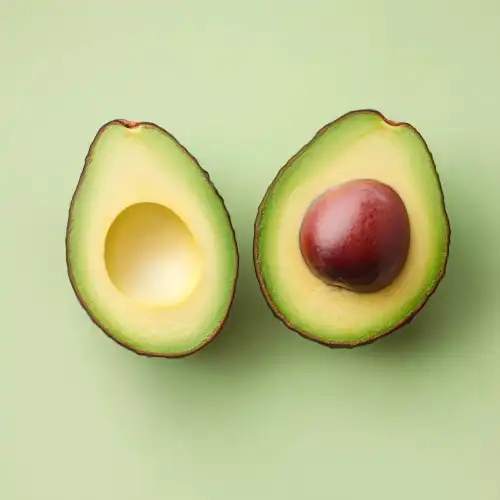
Avocados deliver healthy monounsaturated fats and antioxidants that support reproductive health. They contain vitamin E, which helps boost egg quality and supports the reproductive system. This nutrient-dense fruit also provides glutathione, a powerful antioxidant that protects cells from oxidative stress.
The healthy fats in avocados help your body absorb fat-soluble vitamins like A, D, E and K, which are all important for fertility. Avocados also provide folate, potassium and fibre. Add them to salads, spread on wholegrain toast, or blend into smoothies for a fertility-friendly boost.
Berries and Antioxidant-Rich Fruits
Berries including blueberries, strawberries, raspberries and blackberries offer abundant antioxidants that shield reproductive cells from damage. They provide fibre, vitamin C, and other essential nutrients that support overall health when trying to conceive.
The anthocyanins in berries help improve blood flow to reproductive organs and reduce inflammation throughout the body. These compounds give berries their vibrant colours and powerful protective properties. Fresh or frozen berries work equally well, making them a convenient year-round option for supporting fertility.
Nuts and Seeds
Nuts and seeds provide healthy fats, proteins, and nutrients like zinc and vitamin E that support reproductive health. They also deliver omega-3 fatty acids, particularly walnuts, flaxseeds and chia seeds. Zinc plays a vital role in cell division and hormone production, both crucial for conception.
Consider rotating different varieties throughout the week to get a broader spectrum of nutrients. Almonds provide vitamin E, Brazil nuts offer selenium, pumpkin seeds deliver zinc, and sunflower seeds contain folate. A small handful daily makes an excellent fertility-supporting snack that’s easy to incorporate into your routine.
Legumes
Legumes including lentils, chickpeas, beans and peas supply folate, iron, and other vital vitamins and minerals. They pack both fibre and protein, making them an excellent plant-based protein source for those trying to conceive. Studies suggest that replacing some animal protein with plant protein may improve fertility outcomes.
The high fibre content in legumes helps maintain healthy gut bacteria, which plays a surprising role in fertility through hormone regulation and nutrient absorption. Legumes also have a low glycaemic index, helping to stabilise blood sugar levels and insulin response, both important for reproductive health.
Full-Fat Dairy Products
Full-fat dairy products provide calcium, which matters for reproductive health and bone development. They also contain vitamin D, which plays a role in fertility and healthy pregnancy outcomes. Some research suggests that full-fat dairy may be more beneficial for fertility than low-fat alternatives.
Greek yoghurt particularly shines here, offering additional protein and beneficial probiotics that support reproductive health through improved gut function. Choose organic dairy products when possible to reduce exposure to hormones and antibiotics that may affect fertility. If you’re lactose intolerant or prefer plant-based options, fortified alternatives can provide similar nutrients.
Foods to Limit When Trying to Conceive
While focusing on fertility-supporting foods, it’s equally important to limit certain items that may hinder conception efforts. Excessive caffeine intake should be reduced to no more than 200mg daily (about two cups of coffee), as NHS guidance suggests higher amounts may affect fertility.
Trans fats found in many processed foods can negatively impact fertility, so check labels and avoid partially hydrogenated oils. Excessive alcohol consumption should be avoided when trying to conceive, with medical guidance suggesting abstaining completely or limiting intake significantly. High-mercury fish like shark, swordfish and marlin should be avoided, whilst limiting tuna to no more than two steaks per week.
Supporting Male Fertility Through Nutrition
Nutrition affects both partners when trying to conceive. Men can support their fertility by focusing on similar nutrient-rich foods. Zinc-rich foods like oysters, beef, pumpkin seeds and lentils support healthy sperm production. Antioxidants from colourful fruits and vegetables help protect sperm from oxidative damage.
Selenium, found in Brazil nuts, fish and eggs, plays an important role in sperm motility. Vitamin C helps prevent sperm agglutination and improves quality. Men should also ensure adequate folate intake, as this supports healthy DNA synthesis in sperm cells. Sperm health develops over approximately three months, so dietary improvements should ideally begin at least that long before attempting to conceive.
Practical Meal Planning Tips
Incorporating these fertility-supporting foods doesn’t require a complete dietary overhaul. Start by making gradual changes that feel sustainable. Plan meals around lean proteins, whole grains, and plenty of vegetables. Prepare overnight oats with berries and nuts for a fertility-friendly breakfast that’s ready when you wake.
Batch-cook legume-based meals like lentil curry or chickpea stew for easy midweek dinners. Keep pre-washed salad greens, hard-boiled eggs, and chopped vegetables ready for quick, nutritious meals. Remember that exercise and nutrition work together to support fertility, so combine these dietary changes with regular physical activity for optimal results.
Important Note: While these dietary changes can support fertility, conception is complex and influenced by many factors. If you’ve been trying to conceive for 12 months (or 6 months if you’re over 35), consult your GP or a fertility specialist. They can assess both partners and recommend appropriate next steps.
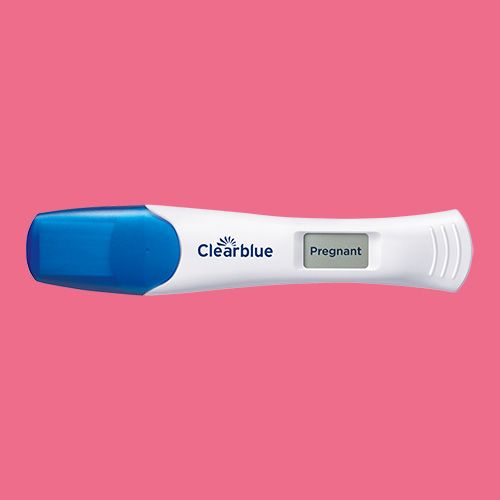
Ready to Test? Once you’ve been following a fertility-friendly diet and timing intercourse appropriately, our accurate pregnancy tests can confirm your success. Zoom Baby offers reliable, affordable pregnancy tests with free UK delivery.
What Customers Say
“I just wanted to say thank you for your great product and excellent service. Who would have thought that such a simple test could be so effective – I bought my first, and only pack of tests from you in August last year and fell pregnant the first month of trying – I am now expecting a baby girl in May. At 36 I was worried at how long it may take me to get pregnant, and I know that is a common worry of women my age so I recommend your tests to anyone who is looking to get pregnant.”
J.D.
“Amazing! I had been struggling to get pregnant for 6 months so I thought I’d track ovulation. I got pregnant the first cycle after trying these!”
Georgia F.
“Thanks so much for the ovulation kits – after just one month of using them I’m now pregnant!! I took 3 out of the 4 pregnancy tests I got from you as I couldn’t believe my eyes!!! Would highly recommend these tests, they work!!”
K.L.
In Conclusion
When you’re aiming to conceive, eating a well-balanced diet that includes these fertility-enhancing foods plays a vital role. A nutritious diet rich in omega-3 fatty acids, complex carbohydrates, quality proteins, and essential vitamins and minerals can boost your fertility and improve your chances of getting pregnant.
Remember that both partners’ nutrition matters, and dietary improvements work best alongside other healthy lifestyle choices including regular exercise, stress management, and appropriate timing of intercourse. Give these changes at least three months to show their full effect, as this is roughly the time needed for egg and sperm cells to mature.
If you have concerns about your fertility or have been trying to conceive without success, speak with your GP or a fertility specialist who can provide personalised guidance based on your individual circumstances.
Photo by Anthony Cunningham for Zoom Baby
About the Author
Anthony Cunningham – Fertility Testing Expert & Editor
Anthony Cunningham, BA (Hons), MA, is a UK-based fertility testing expert and editor with over 20 years’ experience running Zoom Baby, a trusted source for accurate pregnancy, ovulation and fertility tests and testing guidance. He creates clear, evidence-based articles using NHS guidance, professional fertility resources, and conception planning best practices. Where possible, content is reviewed by fertility specialists and healthcare professionals to enhance accuracy and reliability, helping readers make informed testing decisions.
You May Also Like:
How Exercise Can Improve Your Fertility
Discover how regular physical activity supports reproductive health and improves your chances of conception.
7 Simple Ways to Improve Your Fertility
Practical, evidence-based tips for boosting fertility naturally through lifestyle changes and healthy habits.
When Can You Get Pregnant?
Understanding your fertile window and the best timing for intercourse to maximise conception chances.
Vitamin D and Pregnancy: Why It Matters
Learn why vitamin D is essential for fertility, pregnancy health, and how to ensure adequate levels.



Zoom Baby is a leading supplier of Pregnancy Tests and Ovulation Test Kits