

About This Article: Zoom Baby has supplied pregnancy, ovulation and fertility tests to UK customers for nearly 20 years. This guide draws on our experience helping thousands of people understand fertility testing, conception planning, and pregnancy test methods. Always consult healthcare professionals for medical advice regarding conception and pregnancy.
Published: December 2022 | Last Updated: November 2025 | By: Anthony Cunningham
Is It Better to Dip or Pee on a Pregnancy Test?
Quick Links:
Dip or Pee: Pros and Cons
One of the most common questions women have about pregnancy tests is whether it is better to wee on the stick or dip it in a cup of urine. Whilst both methods can yield accurate results, there are a few extra factors to consider.
Dipping tends to be less messy and gives you more control over the testing process. It’s particularly handy if you’re a bit nervous or have trouble aiming! On the flip side, peeing directly on the stick is quicker and doesn’t require finding a clean container. Some women find it more convenient, especially when testing away from home.
Whichever method you choose, make sure you’re comfortable and relaxed. Remember, stress can affect your cycle, so try not to worry too much about the mechanics of testing. The most important thing is following the instructions to get an accurate result.
Peeing Directly on the Stick
You should only place the absorbent tip of the stick in your urine stream if you choose to pee on it. You should not allow the urine level to rise above the plastic housing of the test stick. You should also ensure that the test stick remains in your urine stream only for the designated amount of time. Taking the pregnancy test away too early or not letting it stay in your urine stream long enough can affect the validity of the results. Five seconds seems long when aiming your pee, but pulling it away too soon can lead to inaccurate results.
Dipping the Test Strip
If you’re more comfortable dipping the pregnancy test in pee, you can use a clean cup to collect a sample of your urine and then dip the test strip into the sample for up to 5 seconds. Make sure to follow the directions as indicated on the box and remove the test strip from the cup as soon as your time is up. This method is beneficial because it’s less likely to cause any spills and you don’t have to worry about peeing directly onto the stick.
Overall, it’s really up to you to decide whether to dip or pee on a pregnancy test. Just keep in mind that the accuracy of the result depends on following the instructions on the box, no matter which method you choose. According to NHS guidance on pregnancy, reading results carefully and following manufacturer instructions is essential for reliable test outcomes.
When Is the Best Time to Take a Pregnancy Test?
The accuracy of pregnancy test results depends a lot on when you take the test. Taking a test too early can result in a false negative result.
To get the most accurate result, it’s best to take a pregnancy test after your missed period. However, modern pregnancy tests can detect low levels of hCG very early.
Pregnancy Test Accuracy Timeline:
- 6–7 days before your missed period: approximately 90% accuracy
- 1–2 days before your missed period: approximately 97% accuracy
- On the day of your missed period: approximately 99% accuracy
So for the most reliable results, wait until the first day of your missed period before taking a home pregnancy test. If you don’t want to wait that long, taking one 1–2 days before will still give you a fairly accurate answer.
Make sure to take the test first thing in the morning, when your urine is most concentrated. This will help maximise the accuracy.
Can You Trust Faint Lines on Pregnancy Tests?
Seeing a faint line on a home pregnancy test can be confusing. Is it a positive result or not?
The good news is that if you see any line at all, even a very faint one, it means the test detected hCG in your urine and you are likely pregnant. Modern pregnancy tests are very sensitive and can pick up trace amounts of the pregnancy hormone. A faint line means the hCG level is still low, but rising.
A few things to keep in mind about faint positive lines:
- Don’t read the result after the recommended time, as any lines that appear after may be false positives.
- Don’t rely on a faint line if you took the test very early. Wait a day or two and test again to be sure.
- Faint lines are less reliable in early pregnancy. The best way to confirm is to have your doctor test your blood hCG levels.
So in summary – a faint line still counts as a positive result! But for the most definitive answer, be sure to take a follow-up test in a day or two.
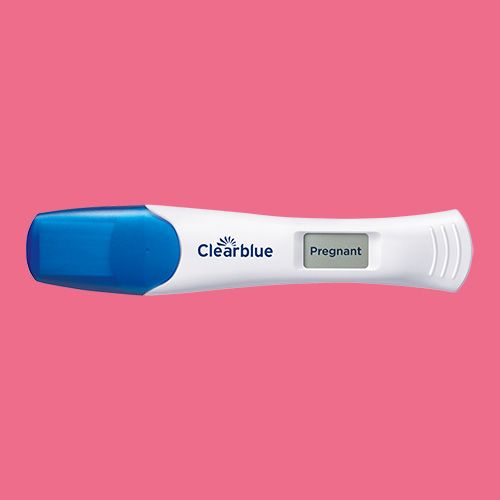
Ready to test? Zoom Baby supplies a wide range of pregnancy tests with free UK delivery, discreet packaging, and helpful guidance every step of the way.
What Customers Say
“After 2 months of using the ovulation kits I got the chance to use one of the pregnancy testing strips and I’m pleased to say it was positive! I’m now 16 weeks pregnant and am sure we would still be trying to conceive had I not used your products. Thank you Zoom Baby.”
Tina W
“Very pleased with these pregnancy tests. They look to be good quality and you cannot argue with the price or quick delivery. I bought some cheap pregnancy tests on eBay last time but these certainly seem to be better quality. Recommend.”
Jacqui L
“Well packaged in plain jiffy bag. Instructions seem simple enough. Looking forward to trying these tests out.”
Ellie
In Conclusion
Whether you choose to dip or pee on a pregnancy test, what matters most is that you follow the instructions carefully and take the test at the right time. Both methods are equally effective when used correctly. The key factors for accurate results are timing, concentration of urine (morning is best), and proper technique. If you have any doubt about your results, a follow-up test or blood test from your GP will give you definitive confirmation.
Remember, getting a clear positive or negative result should give you peace of mind so you can move forward with confidence in your next steps.
About the Author
Anthony Cunningham – Fertility Testing Expert & Editor
Anthony Cunningham, BA (Hons), MA, is a UK-based fertility testing expert and editor with over 20 years’ experience running Zoom Baby, a trusted source for accurate pregnancy, ovulation and fertility tests and testing guidance. He creates clear, evidence-based articles using NHS guidance, professional fertility resources, and conception planning best practices. Where possible, content is reviewed by fertility specialists and healthcare professionals to enhance accuracy and reliability, helping readers make informed testing decisions.
You May Also Like:
When Is the Best Time to Take a Pregnancy Test?
Find out when to test for the most accurate results, from early detection windows to confirmation testing with NHS guidance.
False Negative Pregnancy Tests: 5 Things That Could Be Wrong
Understand why you might get a false negative and what to do if you still think you’re pregnant despite a negative test.
Are Pregnancy Tests Always 100% Correct?
Learn about pregnancy test accuracy, factors that affect results, and what affects reliability to help you get confident answers.
What are the Best Early Pregnancy Tests?
Explore the best early detection pregnancy tests that can help you find out sooner than waiting for a missed period.



Zoom Baby is a leading supplier of pregnancy tests and ovulation test kits with nearly 20 years of experience serving UK customers. All our products are selected for accuracy and reliability, with discreet packaging and free delivery on orders over £20.