About This Article
Zoom Baby has supplied pregnancy, ovulation and fertility testing products to UK customers for more than 20 years. This guide explores practical lifestyle changes that may support reproductive health in women and men, drawing on established fertility advice and NHS guidance.
Published: 6 May 2024 | Last Updated: 26 October 2026 | By: Anthony Cunningham
Fertility Boosters for Her
- Attain and Maintain a Healthy Weight. Though this is easier said than done generally, many women can attain and maintain (or at the very least work towards) a body weight that is healthier by adopting healthy exercise and eating habits. Being underweight or overweight can sometimes make it harder to conceive. To help reach a healthy body weight for conception, it is a good idea to consult your GP, a registered dietitian or another qualified healthcare professional.
- Reduce Alcohol and Caffeine Intake. Most experts on fertility suggest limiting caffeinated drinks. If you are trying to become pregnant, it is sensible to keep caffeine intake below 200mg per day, in line with pregnancy guidance. It is also best to avoid alcohol if you want to become pregnant. The reason for this is that alcohol can harm a developing baby, even if the mother is not yet aware she is pregnant.
- Reduce Stress Factors. Trying to conceive can be emotionally demanding, particularly when pregnancy does not happen as quickly as hoped. It may help to find ways to manage stress while trying to become pregnant. Relaxation, regular exercise, talking to your partner or enjoying a massage may improve your wellbeing. However, everyday stress does not necessarily prevent conception, and difficulty becoming pregnant should never be blamed on someone for “trying too hard”.
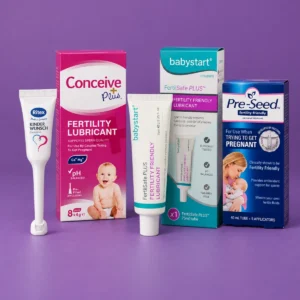
- Choose Wisely When It Comes to Lubricants. Some vaginal lubricants contain spermicides, while certain conventional lubricants may affect sperm movement in laboratory tests. If you need a lubricant while trying to become pregnant, consider one specifically formulated to be sperm-friendly. We recommend Conceive Plus or Pre-Seed, as both are designed for couples trying to conceive. These products can make intercourse more comfortable, although using a fertility-friendly lubricant has not been proven to increase pregnancy rates.
Lifestyle Changes for Optimal Fertility
Making positive lifestyle adjustments can help support your reproductive health and your chances of conceiving. Here are some additional tips to incorporate into your fertility journey:
For Her:
- Fuel Your Body Right. A nutrient-rich diet full of fresh fruits, vegetables, lean proteins and whole grains provides important nutrients for general and reproductive health. Limit heavily processed foods and excessive sugar intake as part of a balanced diet. If you are planning a pregnancy, the NHS also recommends taking 400 micrograms of folic acid daily before conception and during the first 12 weeks of pregnancy, unless your healthcare professional advises a different dose.
- Get Moving. Regular moderate exercise like brisk walking, swimming or yoga can support overall health, help manage stress and promote a healthy weight. Just don’t overdo it. Excessive vigorous exercise, particularly when accompanied by insufficient energy intake, may disrupt menstrual cycles or ovulation.
- Manage Stress. Trying for a baby can sometimes increase anxiety and affect your wellbeing or interest in sex. Explore relaxation techniques such as meditation, deep breathing or yoga to help manage these feelings. Stress management can be beneficial for your quality of life, but it is not a guaranteed fertility treatment.
- Track Your Cycle. Understanding your menstrual patterns can be useful. You can use an ovulation predictor kit or fertility app to help identify your most fertile days each month, although apps alone cannot reliably confirm ovulation. Having sex every one to two days around ovulation can help maximise your chances. Alternatively, the NHS recommends having sex every two to three days throughout the cycle without contraception.
For Him:
- Stay Cool. Prolonged exposure to high temperatures may affect sperm production. It may be sensible to avoid frequent hot tubs or saunas if you are concerned about fertility. Loose-fitting underwear can be comfortable, although there is limited evidence that changing underwear alone improves the chances of conception.
- Exercise Moderately. Regular moderate physical activity supports general health and may benefit reproductive wellbeing. Very intensive training, especially when combined with inadequate nutrition or the use of anabolic steroids, can sometimes affect hormone levels and sperm production.
- Get Enough Zinc. This essential mineral plays a role in normal reproductive function and sperm formation. Include dietary sources such as oysters, beef, pumpkin seeds and other zinc-rich foods. Supplements may be appropriate if a deficiency is identified, but taking extra zinc when your levels are adequate has not been shown consistently to improve fertility. Avoid high-dose supplements unless advised by a healthcare professional.
- Limit Toxin Exposure. Smoking, excessive alcohol consumption and certain occupational or environmental exposures can affect reproductive health. Avoid smoking, limit alcohol and follow workplace safety guidance when handling potentially harmful substances.
Making a few simple lifestyle tweaks can help support healthy conception. Be patient, stay positive and don’t hesitate to seek help from your GP or a fertility specialist if you need support.
Fertility Boosters for Him
- Quit Smoking. Many women are aware of the need to quit smoking when trying to conceive, as cigarette smoke is harmful during pregnancy. Studies also show that smoking can negatively affect sperm quality. Stopping smoking is therefore a sensible step for both partners.
- Avoid Excessive Heat. High temperatures around the testicles may temporarily affect sperm production. Avoiding frequent hot baths, hot tubs and other prolonged sources of heat may be sensible while trying for a baby. However, there is no good evidence that taking cold showers improves fertility or makes conception happen sooner. Special cooling patches should not be relied upon as a fertility treatment.
- Boxers or Briefs. The age-old question of whether men should wear boxers or briefs has been studied in relation to sperm quality. Some research suggests that looser underwear may be associated with slightly different sperm measurements, but the evidence is mixed. There is no convincing proof that switching to boxers will make pregnancy happen sooner. Choose comfortable underwear and avoid unnecessary prolonged heat exposure.
- Consider Your Vitamin D Intake. Vitamin D is important for general health, and low levels have been investigated in relation to male reproductive health. However, studies have not established that taking extra vitamin D improves sperm quality or increases pregnancy rates in men who are not deficient. UK guidance recommends that adults consider a daily 10-microgram vitamin D supplement during autumn and winter. If you suspect a deficiency, speak to your GP. Male fertility supplements are sometimes marketed for nutritional support, but supplements should not be considered a substitute for a balanced diet or medical fertility assessment.
The tips listed above are only a few of many potential lifestyle changes that may help you conceive. If you have been trying for a baby for a year without success, contact your GP for personalised advice. Seek advice sooner if the woman is aged 36 or over, if either partner has a known fertility concern, or if there are other reasons to suspect a problem. Fertility difficulties can affect either partner, so an assessment may involve both of you.

Conceive Plus Fertility Lubricant – 30ml Tube
If you experience vaginal dryness while trying to conceive, Conceive Plus Fertility Lubricant is a sperm-friendly lubricant designed for couples planning a pregnancy. It can help make intercourse more comfortable, although it is not a treatment for infertility and does not guarantee conception.
About the Author
Anthony Cunningham – Fertility Testing Expert & Editor
Anthony Cunningham, BA (Hons), MA, is a UK-based fertility testing expert and editor with over 20 years’ experience running Zoom Baby, a trusted source for accurate pregnancy, ovulation and fertility tests and testing guidance. He creates clear, evidence-based articles using NHS guidance, professional fertility resources and conception planning best practices. Where possible, content is reviewed by fertility specialists and healthcare professionals to enhance accuracy and reliability, helping readers make informed testing decisions.
Medical Disclaimer
The information in this article is intended for general educational purposes only and should not replace professional medical advice, diagnosis or treatment. Fertility is influenced by many factors, and lifestyle changes or commercial products cannot guarantee conception. If you have concerns about your fertility, menstrual cycle, sperm health or any underlying medical condition, please consult your GP or an appropriately qualified healthcare professional.