

About This Article
Zoom Baby has supplied pregnancy, ovulation and fertility tests to UK customers for nearly 20 years. This guide draws on our experience helping thousands of people understand fertility optimisation, conception planning, and healthy lifestyle choices for reproductive health. Always consult healthcare professionals for medical advice regarding conception and pregnancy.
Published: June 3, 2018 | Last Updated: January 11, 2026 | By Anthony Cunningham
Infertility can happen to couples that are trying to conceive. If you have delayed conception this doesn’t always mean that you’re infertile. This can be traced to poor lifestyle habits or not paying attention to your overall health. There are some changes you can make that will make a big difference. Here are some tips to boost your fertility and chances of getting pregnant.
In This Guide:
Watch Your Weight
If you’re overweight or underweight this is going to decrease the chances that you will get pregnant. If you’re overweight that can interfere with the ovulation cycle and the production of hormones which are essential for pregnancy to occur. If you’re overweight you may have irregular periods but if you’re too skinny you may not have enough body fat for the pregnancy. You won’t be able to conceive until you make changes to your body. You should maintain a healthy weight if you’re trying to have a child.
According to the NHS guidance on improving fertility, being either significantly overweight or underweight can affect ovulation. Maintaining a healthy BMI between 19 and 25 can improve your chances of conception.
Quit Smoking
One of the best ways to increase your fertility is to give up smoking. Cigarette smoke impacts women differently than men. The smoke can cause ageing in the ovaries of a woman and lowers the production of the eggs. The smoke can also impact the implantation and the fertilisation of the egg. In men the sperm can be weak and there won’t be as many of them.
The best solution is to cut back on smoking for better fertility or to stop completely. If you stop smoking your baby will have better health and you will have better health too with a reduction in the chances that you’ll get a major disease. Cutting down, or quitting alcohol will also help you to get your body in better shape for conception and will help to lessen the dangers of alcohol and pregnancy.
Track Your Menstrual Cycle
You have a menstrual cycle that lasts between 28-35 days. By tracking the cycle you’ll know when you have your most fertile days as you need to figure out the ovulation cycle. Once you know the ovulation cycle which is around the midpoint of the menstrual cycle, this when you’re the most fertile and around 4-5 days prior to this too. If sex occurs on these days then you are going to be more likely to get pregnant.
If you have changes in breast tenderness, basal body temperature, cervical mucus, or an increase in libido, this indicates ovulation.
Check when you are going to ovulate by using an ovulation predictor kit (OPK) or by charting you basal body temperature (BBT) using a basal fertility thermometer.
By monitoring your cycle you can also figure out of your ovulating on a regular basis. If the cycle is over 42 days you should speak to your gynaecologist.
Get Busy in the Bedroom
You should plan to have sex more often if you want to conceive. You don’t want to try this daily as it can be stressful if you have a hectic lifestyle. Try to aim for every other day when you have your fertile window. In general you want to try for twice a week. If you have regular sex you’ll regulate the sperm count and the monthly cycle of the woman.
Try To Eat Healthy
You need to give your body nourishment before you conceive. You need a strong and healthy body to have a child. Make sure you have a diet rich in whole grains, fruits, vegetables, legumes, lean meat, and low fat dairy in the right amounts. You want to avoid fatty foods, excessive sodium, and refined carbohydrates.
You should try to get more folic acid as it can help with fertility but check with your doctor first before you do this. Consider using a prenatal supplement – Pregnacare Conception and Babystart Fertilcare vitamins can all be recommended.
Another thing to do is to drink lots of water and avoid too much alcohol or caffeine, as these can impact your fertility in a negative way. Detoxing your body before trying for a baby will genuinely increase your chances of conception.
The NHS recommends taking folic acid supplements before conception and during the first 12 weeks of pregnancy to reduce the risk of neural tube defects.
Careful with Lubricants
Many lubricants used for sex contain spermicides, which will decrease the chances that you get pregnant and hamper fertilisation efforts. Look for lubricants without any spermicides. Conceive Plus and Pre-Seed are designed to be used as sperm-friendly lubricants when trying for a baby.
At Zoom Baby we always recommend Pre-Seed to couples who are trying to conceive. Pre-Seed fertility lubricant is formulated with a pH level similar to fertile cervical mucus. This helps to create a hospitable environment for sperm to thrive in, allowing them to swim freely towards the egg. Without a sperm-friendly environment, it can be difficult for sperm to survive and fertilise the egg.
Using Pre-Seed lubricant can also enhance sexual pleasure and increase comfort during intercourse. It is non-irritating and does not leave a sticky or greasy residue, making it a comfortable and enjoyable experience for both partners.
Overall, the benefits of using Pre-Seed fertility lubricant are numerous. It creates a sperm-friendly environment and can help to enhance sexual pleasure. If you are trying to conceive, consider adding Pre-Seed fertility lubricant to your routine to increase your chances of success.
Make Sure You Unwind
You need to reduce stress and unwind as stress has a negative impact on your body. It can impact fertility in both females and males. You need to use relaxation techniques and to get some yoga, meditation or other exercise on a regular basis.
Additionally, taking some time for yourself and engaging in activities that bring you joy and relaxation can also help reduce stress levels. This can be something as simple as taking a warm bath, reading a book, or watching your favourite TV show. Whatever it may be, make sure it’s something that allows you to disconnect from the stresses of everyday life.
It’s also important to address any underlying issues causing stress, such as relationship problems, financial difficulties, or work-related stress. Taking steps to resolve these issues can help relieve stress and improve overall well-being.
Remember, reducing stress isn’t just essential for your fertility, it’s important for your overall health and happiness as well. So take the time to unwind and prioritise self-care in your daily routine.
Research published by the Royal College of Obstetricians and Gynaecologists suggests that chronic stress can affect hormonal balance and ovulation patterns, making stress management an important factor in fertility optimisation.
Get Some Sleep!
An often overlooked factor when trying to conceive is ensuring you get enough high quality sleep. Numerous studies have linked insufficient sleep with reduced fertility in both men and women. Aim for 7-9 hours per night of restful sleep to allow your body to properly rejuvenate and balance hormones. Creating a relaxing evening routine, avoiding screens before bed, and keeping your bedroom cool and dark can all help improve sleep quality.
Don’t underestimate the role that stress plays as well. Severe or chronic stress can disrupt the delicate hormonal processes involved in ovulation and sperm production. Though easier said than done, make a conscious effort to keep stress levels down during your fertile window. Whether it’s practicing meditation, getting a massage, or just taking a relaxing bath – find healthy ways to de-stress that work for you.
Maintaining a balanced lifestyle with proper rest and stress management goes a long way towards optimising fertility. It allows your body’s natural processes to function smoothly without added strain. Small adjustments like getting sufficient sleep can have a big positive impact on your chances of conception success.
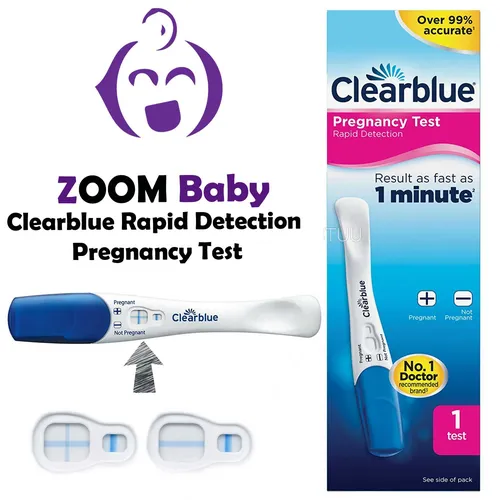
Ready to Test? Once you’ve optimised your fertility with these lifestyle changes, you’ll want to know when you’ve successfully conceived. Our pregnancy tests offer accurate, early detection with free delivery across the UK.
What Customers Say
“I used these ovulation tests in 2009 and conceived the first month of trying, confirmed by the free pregnancy test that came with it. I couldn’t believe the pregnancy test could be accurate as they look so flimsy compared to the expensive ones you buy in the shop – so I bought a ‘proper’ one which only confirmed what the free test had told me. We would like to try for another baby so have ordered the same tests again from Zoom. They are reasonably priced and arrived on Monday having been ordered on Friday night. My one tip is to ensure you follow the instructions carefully and accurately for best results.”
– Laura R.
“I just wanted to say thank you for your great product and excellent service. Who would have thought that such a simple test could be so effective – I bought my first, and only pack of tests from you in August last year and fell pregnant the first month of trying – I am now expecting a baby girl in May. At 36 I was worried at how long it may take me to get pregnant, and I know that is a common worry of women my age so I recommend your tests to anyone who is looking to get pregnant – why leave it to chance – thank you.”
– J.D.
“We had been trying for a baby for nearly eight months. My friend recommended Zoombaby and one month of using I was pregnant. Sadly, that ended in a miscarriage but tried one month again and just got a positive pregnancy test. Cannot recommend this product enough.”
– Lois G.
In Conclusion
Boosting your fertility doesn’t require expensive treatments or complicated medical interventions. By focusing on these eight practical lifestyle changes – maintaining a healthy weight, quitting smoking, tracking your cycle, regular intimacy, healthy eating, choosing the right lubricants, managing stress, and getting adequate sleep – you can significantly improve your chances of conception.
Remember that every couple’s fertility journey is unique. If you’ve been trying to conceive for over a year (or six months if you’re over 35), it’s important to consult with your GP or a fertility specialist. When you’re ready to confirm your pregnancy, knowing when to take a pregnancy test and understanding the early signs of pregnancy can help you get accurate results at the right time.
Photo Credit: “pregnant Giana” (CC BY 2.0) by Bruno_Caimi
This post was originally published in 2018. It was last updated in June 2024.
About the Author
Anthony Cunningham – Fertility Testing Expert & Editor
Anthony Cunningham, BA (Hons), MA, is a UK-based fertility testing expert and editor with over 20 years’ experience running Zoom Baby, a trusted source for accurate pregnancy, ovulation and fertility tests and testing guidance. He creates clear, evidence-based articles using NHS guidance, professional fertility resources, and conception planning best practices. Where possible, content is reviewed by fertility specialists and healthcare professionals to enhance accuracy and reliability, helping readers make informed testing decisions.
You May Also Like:
Am I Pregnant? – 10 Early Signs of Pregnancy
Discover the earliest signs and symptoms of pregnancy, from missed periods to morning sickness and beyond.
When Is the Best Time to Take a Pregnancy Test?
Learn when to test for the most accurate results and avoid false negatives with our comprehensive timing guide.
How Exercise Can Improve Your Fertility
Understand how the right amount and type of exercise can boost fertility and support conception.
What Are the Best Early Pregnancy Tests?
Compare the most sensitive early detection pregnancy tests and find out which ones work best before your missed period.



Zoom Baby is a leading supplier of Pregnancy Tests and Ovulation Test Kits.